
Upgraded Version Bed Sensor Alarm and Fall Prevention
4.5Editor score
Wireless motion sensor for floor placement
Dual reminder with LED light and sound
Dual power supply options for flexibility
Finding the right bed alarm for elderly and dementia patients is crucial for ensuring safety and peace of mind. These devices detect when a loved one attempts to leave bed, alerting caregivers before falls occur.
We have carefully reviewed ten leading options based on sensor accuracy, range, and ease of use. Our list covers wireless pads, floor mats, and motion sensors designed for diverse caregiving needs.
Each pick highlights key features, pros, and cons to help you decide. Prices and availability may change, so check current listings before purchasing to ensure you get the best value today.
4.5Editor score
4.7Editor score
4.8Editor score
As an Amazon Associate we earn from qualifying purchases.
This side-by-side comparison highlights the core specifications and capabilities of each top-rated bed alarm to help you identify the best fit for your caregiving environment.



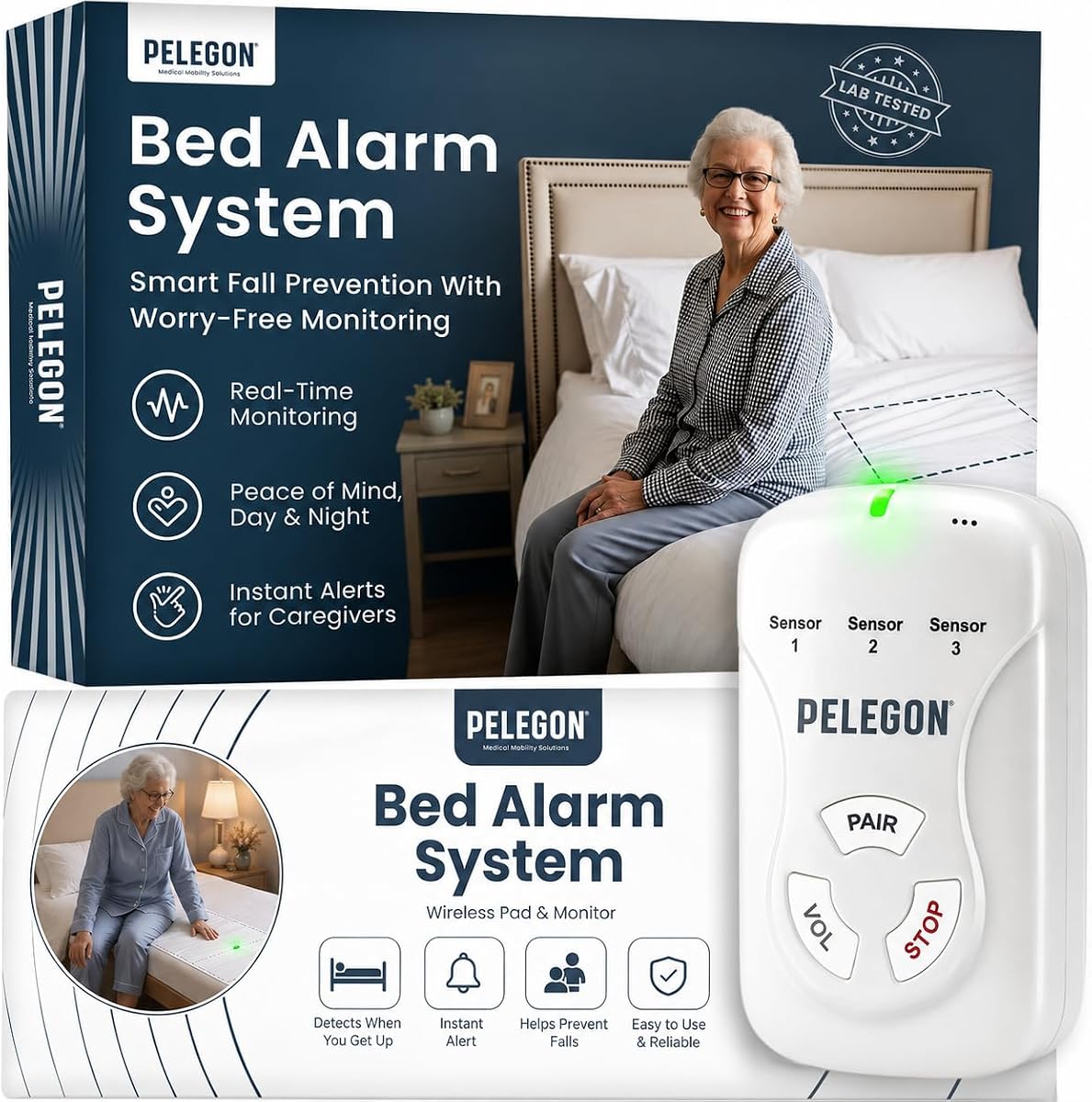
The PELEGON Bed Alarms for Elderly Dementia Patients stands out as a reliable safety solution with a high customer rating of 4.7 stars. It features a wireless sensor pad that detects movement as a loved one begins to rise, providing caregivers valuable seconds to assist before a fall risk occurs.
We may earn a commission when you buy through this link, at no additional cost to you.
This system includes a lightweight pager that clips to a belt or fits in a pocket, working up to 328 feet away. This long-range coverage allows caregivers to monitor confidently from another room. The alarm is designed specifically for dementia support, helping to reduce unsafe wandering and nighttime accidents through early alerts.
While the setup is simple, some users may find the sensor needs consistent placement under the sheet to avoid false triggers from restless sleep. However, the customizable alert modes, including sound adjustments or vibration-only options, make it versatile for day or night use in shared rooms.
This device is ideal for families seeking a balance of range and ease of use without complicated installation. It is a strong choice for reducing fall risk while maintaining patient independence.
The 328-foot range ensures you are alerted even when away from the bedroom, providing peace of mind throughout the home.
Vibration-only mode allows for discreet alerts, ensuring sleep continuity for partners or other roommates.
We may earn a commission when you buy through this link, at no additional cost to you.
The Smart Caregiver Bed Alarm offers a straightforward solution to alert caregivers when pressure is removed from the pad, indicating the patient may be getting up. It features a vinyl sensor pad with a soft foam interior that is sealed for incontinence protection, making it easy to clean with a wet cloth.
We may earn a commission when you buy through this link, at no additional cost to you.
This alarm can be configured to sound in the room to remind the loved one to stay seated until help arrives, adding a psychological safety layer. For a quieter approach, an optional wireless add-on kit is available to send alerts directly to the caregiver instead of startling the patient.
The setup involves placing the pad under the lower fitted sheet near the shoulder blades or hips. While the wired connection to the monitor is straightforward, the separate wireless add-on purchase might add to the overall cost for those needing room freedom.
It is a practical choice for daily use in caregiving environments where durability and hygiene are priorities. The simple operation ensures caregivers can focus on care rather than device maintenance.
The sealed vinyl construction resists moisture and is easy to wipe down, extending the product lifespan.
Choose between in-room alarms for reminders or wireless pagers for private caregiver notifications based on patient needs.
We may earn a commission when you buy through this link, at no additional cost to you.
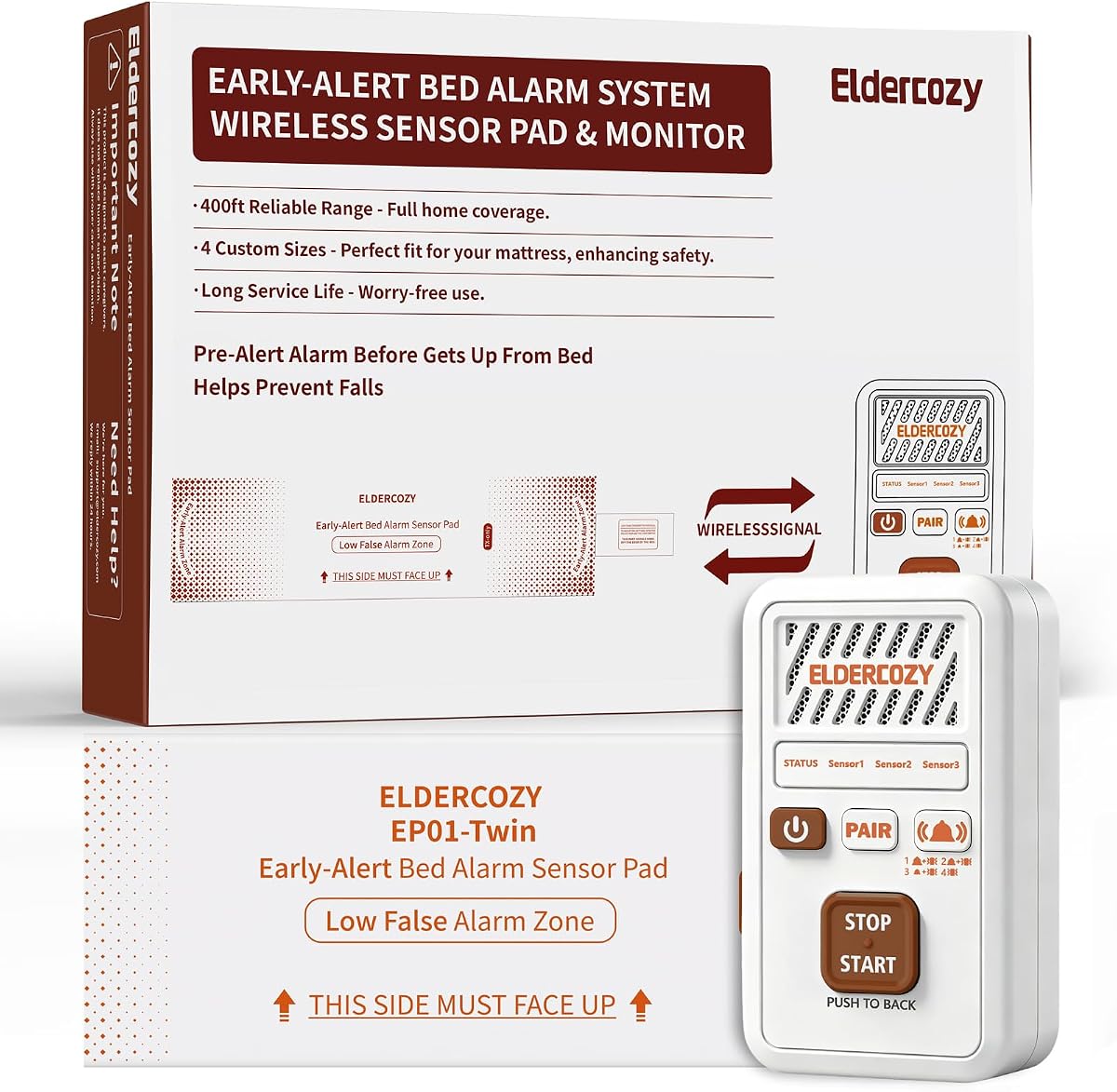
The Twin Size Wireless Bed Alarms for Elderly Dementia Patients is designed to prioritize comfort with a soft, skin-friendly TPU composite that eliminates the noisy, crinkly PVC found in older models. It offers an early alert system by placing the hip-level sensor at the edge of the bed, so it triggers as the patient sits up before they fully stand.
We may earn a commission when you buy through this link, at no additional cost to you.
The wireless signal reaches up to 400 feet, offering exceptional range for caregivers. It features a Caregiver Mode that temporarily pauses the alarm for 20 minutes, allowing for assistance without triggering false alarms. The device runs on replaceable AAA batteries, ensuring the system has an unlimited lifespan without needing to buy a new unit.
While it is priced higher than some entry-level options, the investment is justified by the superior comfort and advanced features. The customizable alert modes include vibration only, which is perfect for sleeping partners, and it is FSA and HSA eligible for easier purchasing.
This premium option is best for households seeking a long-term, comfortable solution that reduces false alarms and supports dignity. It combines reliability with thoughtful design details that enhance the caregiving experience.
Detects the moment a patient sits on the edge, providing earlier warnings than shoulder-blade sensors.
Replaceable batteries mean the transmitter and receiver can last indefinitely, avoiding disposable pad waste.
We may earn a commission when you buy through this link, at no additional cost to you.
The Upgraded Version Bed Sensor Alarm and Fall Prevention offers an economical entry into safety monitoring with a motion sensor placed on the floor under the bed. Unlike traditional pads, it triggers when the patient's foot is about to touch the ground, which reduces false alarms caused by incontinence or bed displacement.
We may earn a commission when you buy through this link, at no additional cost to you.
The system includes a caregiver pager that operates within a massive 918 feet range in open areas, ensuring you hear the alert even in large homes. It does not sound in the patient's room, preventing startle reactions that could lead to accidents. The receiver features dual power supply options including alkaline batteries or a Micro USB connection.
Installation requires a self-test procedure and precise placement to ensure the sensor detects the foot movement correctly. While it is a cost-effective option, users should take time to test the sensing range and direction before final fixing to ensure reliable performance.
This device is a great choice for those seeking a low-cost solution with broad range capabilities. It simplifies monitoring by focusing on the moment of bed exit rather than continuous pressure presence.
By detecting foot contact on the floor, the system avoids issues with incontinence pads or shifting mattresses.
The extensive range allows caregivers to work in other parts of the house without losing connection.
We may earn a commission when you buy through this link, at no additional cost to you.
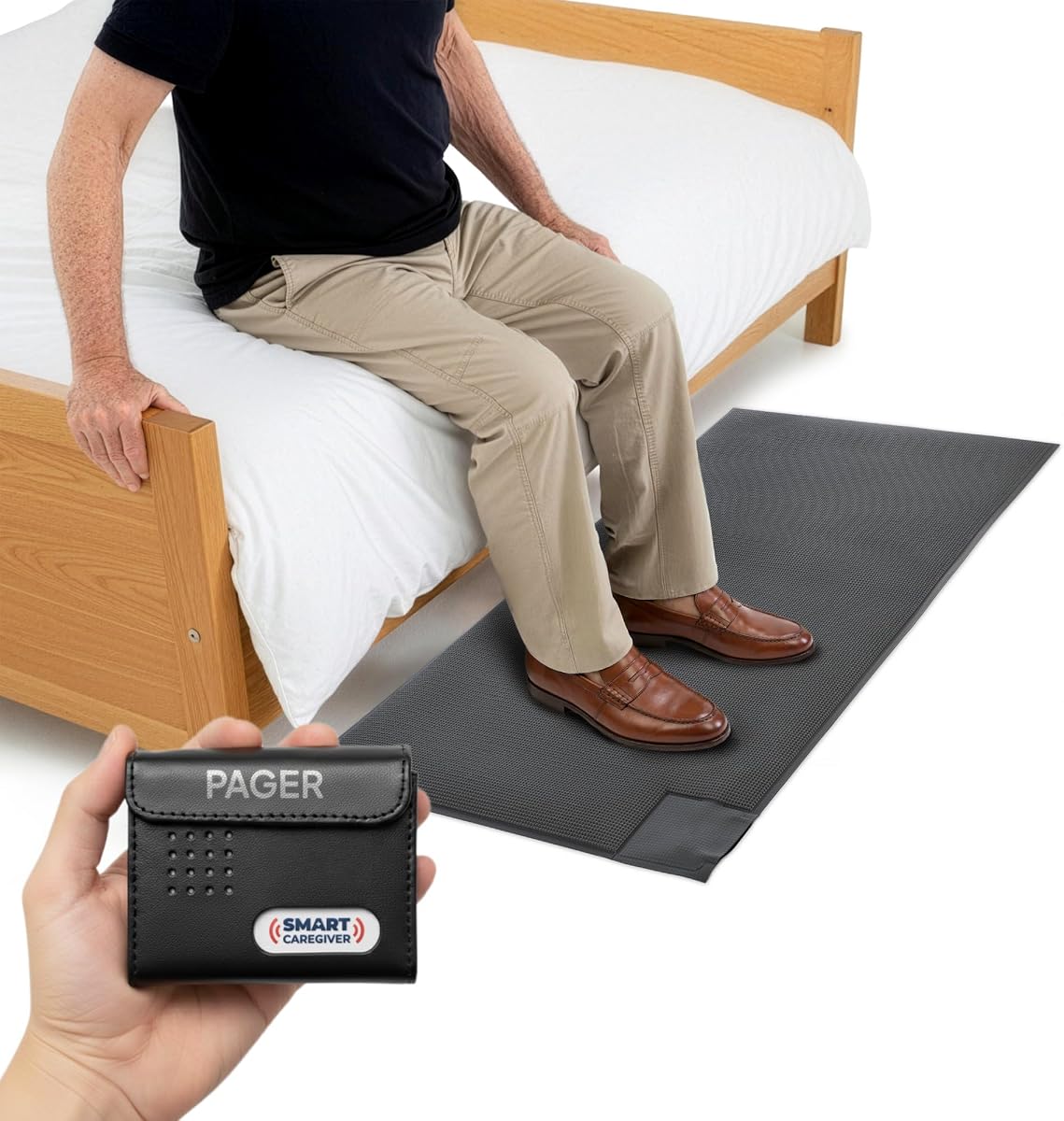
The Smart Caregiver Floor Mat Alarm and Pager System provides a different approach by using a durable 24-inch by 48-inch floor mat instead of a bed pad. Placing it next to the bed or by an exit door helps prevent falls and wandering by alerting caregivers immediately when patients step on the weight-sensing surface.
We may earn a commission when you buy through this link, at no additional cost to you.
The system includes a wireless caregiver pager that can be carried up to 300 feet away. This allows caregivers to take care of other tasks while knowing they will be alerted if a patient leaves the bed or tries to wander out of the facility. It offers both sound and vibrate options for flexible alerts.
While the floor mat is robust and easy to set up, users must note that the pager requires two AA batteries which are not included. The system can be expanded by pairing it with other Smart Caregiver alarms for a comprehensive safety network throughout the home.
This option is particularly effective for patients prone to wandering at night. It adds a layer of security beyond just bed exit, ensuring safety is maintained as they move around the room.
Place the mat by the door to receive alerts if a patient attempts to leave the room entirely.
The pager supports pairing with multiple sensors, allowing for growth as safety needs change.
We may earn a commission when you buy through this link, at no additional cost to you.
The Smart Caregiver Bed Exit Alarm features a soft 10-inch by 30-inch bed pad with a full-coverage weight sensor. This system wirelessly alerts caregivers when pressure is removed, indicating the patient has left the bed, allowing you to carry on with daily life while maintaining safety.
We may earn a commission when you buy through this link, at no additional cost to you.
The included pager offers both vibrate and sound alert options to suit your preference. One key feature is the extra-large contact sensor which is engineered to reduce false alarms that can erode caregiver trust. The system is expandable to support up to six different sensors for comprehensive monitoring of beds and chairs.
As a trusted US-based company, Smart Caregiver provides dedicated customer service to assist with any issues. The pad is best placed under the shoulders for immediate alerts as the patient starts to get up, though restless sleepers may require adjustment for accuracy.
This product is a reliable choice for families wanting expandable monitoring options. It simplifies care by ensuring you are notified instantly of any movement out of bed without intrusive equipment.
Access to knowledgeable US-based support provides confidence in the product reliability and usability.
Expand to multiple rooms or chair setups for a whole-home safety solution.
We may earn a commission when you buy through this link, at no additional cost to you.
CallToU Bed Alarms for Elderly and Dementia Patients offer a portable solution with a motion sensor positioned on the floor beside the bed. It detects feet touching the ground with a range of 3 to 10 feet, allowing you to rest easy knowing you will be alerted when they try to get up.
We may earn a commission when you buy through this link, at no additional cost to you.
The system includes an adjustable volume receiver with 5 volume levels and 18 ringtones. You can use vibration only or silent modes to suit your needs. The sensor supports 360-degree rotation to prevent false alarms from incontinence or restless sleep, a common issue with standard bed mats.
Unlike sealed mats, the sensor uses replaceable AAA batteries ensuring long-term use without discarding the unit. The receiver is portable and features a Type-C charging port, making it convenient to move around the house or take on the go.
This product is suitable for caregivers needing a versatile and portable monitoring tool. The silent detection features and rotation capabilities provide a tailored experience for different household environments.
360-degree rotation ensures the sensor aligns perfectly for accurate detection.
Replaceable batteries extend the device life, reducing waste compared to disposable mats.
We may earn a commission when you buy through this link, at no additional cost to you.
The Upgrade Professional Bed Sensor Alarm simplifies monitoring with factory paired motion sensor and receiver units ready to use after loading batteries. It triggers an alarm when the patient's feet are about to touch the floor, or when placed in a doorway to monitor room exit.
We may earn a commission when you buy through this link, at no additional cost to you.
The receiver supports four alert modes including sound plus light flashing, light flashing, LED light, and a loud 113dB alarm. You can adjust volume or brightness using buttons on the side. The system transmits signals up to 918 feet in open areas ensuring broad coverage.
Power options include battery or Micro USB, so you are not forced to occupy a socket. While the setup involves a self-test procedure where the indicator light flashes for 20 seconds, this ensures the device is working correctly before regular use.
This is a great choice for those needing a loud, reliable alarm with extensive range. The flexibility in power and alert modes makes it adaptable for different home environments.
The 113dB alarm ensures you hear the signal even in noisy environments.
USB charging offers a reliable alternative when batteries are depleted.
We may earn a commission when you buy through this link, at no additional cost to you.
The Smart Caregiver Bed and Chair Exit Alarm System provides immediate safety alerts with pressure-sensitive alarm pads for both beds and chairs. When a person under care attempts to get up, the system alerts the caregiver so assistance is provided before falls happen.
We may earn a commission when you buy through this link, at no additional cost to you.
The monitor can be clipped to the headboard for bed use or the back of a chair for chair use. A phone-style clip makes it easy to switch between pads. The pads are made of soft vinyl with a foam interior sealed for incontinence protection ensuring hygiene in shared spaces.
For restless sleepers, the bed pad placement can be adjusted from shoulder blades to hips to lower sensitivity. The alarm features adjustable volume and a reset button to silence the sound. A low battery light helps ensure safe operation.
This system is perfect for patients who are monitored in both sleeping and sitting positions. It offers a complete solution for preventing falls and wandering from multiple common locations.
Includes pads for both bed and chair, covering two major high-risk areas for falls.
Adjustable placement options allow you to tailor sensitivity to specific patient movement patterns.
We may earn a commission when you buy through this link, at no additional cost to you.
The Bed Sensor Pad & Pager for Elderly Dementia Patients offers a straightforward detection system with a 32-inch by 13-inch motion sensor pad. It accurately monitors patient movements and triggers an immediate alarm when the patient attempts to leave the bed reducing fall risks.
We may earn a commission when you buy through this link, at no additional cost to you.
The wireless pager features customizable alerts including adjustable volume music and vibration modes. It is lightweight and portable with a range up to 300 feet allowing caregivers to move freely. The pad is constructed from latex-free tear and water resistant materials making it easy to wipe clean for hygiene.
While the overall rating is lower than top contenders, it still provides essential features for basic monitoring. Installation is simple with secure clips under fitted sheets. It is versatile for use in home hospital nursing home and rehabilitation centers.
This option is suitable for those needing a basic, functional pad without extra bells and whistles. It offers reliable fall prevention for caregivers requiring a simple setup solution.
The lightweight pager allows you to carry alerts with you as you complete daily chores.
Latex-free and tear-resistant construction ensures the pad lasts through daily use.
We may earn a commission when you buy through this link, at no additional cost to you.
Selecting the right bed alarm involves understanding the specific needs of your loved one. Consider sensor type range alert volume and ease of setup to find the best fit.
Sensors generally fall into three categories: pressure pads, floor mats, and motion sensors. Pressure pads detect weight removal, floor mats detect stepping, and motion sensors detect movement or foot contact. Choosing the right type depends on whether you want to alert before the patient stands or once they have stepped out.
Select a sensor type that matches the patient's behavior and your need for early warning versus exit confirmation.
Wireless range determines how far you can be from the patient before receiving an alert. Ranges vary from 300 feet to over 900 feet. A longer range allows caregivers to monitor from other rooms or floors, providing greater freedom of movement.
Ensure the range covers your home layout effectively to avoid missed alerts.
Some patients may be startled by loud alarms. Look for adjustable volume levels and vibration-only modes. Silent or low-volume options are crucial for shared rooms or night use to avoid disturbing others.
Prioritize customizable alert modes to balance safety with comfort.
Tool-free setup is a significant advantage. Systems that require no wiring or apps simplify installation. Check if the sensor pads have secure clips or adhesive to stay in place.
Choose a system that can be set up quickly without professional help.
Battery life impacts maintenance frequency. Devices with replaceable batteries or USB charging options extend usability. Some pads are sealed or disposable, which affects long-term costs.
Opt for systems with replaceable batteries for cost efficiency over time.
If you need to monitor multiple areas like chairs or doors, choose a system that supports multiple sensors. Expandable pagers can pair with several units for a networked safety solution.
Expandability allows you to scale safety coverage as needs change.
Pads often face exposure to moisture or incontinence. Look for sealed designs with soft vinyl or TPU materials that resist stains and are easy to clean.
Ensure the materials are durable and easy to maintain for daily use.
Reliable customer support can resolve issues quickly. Brands with dedicated support teams and warranties offer peace of mind. Check the warranty terms before purchasing.
Invest in products with strong after-sales support and clear warranty policies.
Start by placing the sensor pad under the fitted sheet aligned with the patient's shoulder blades or hips. Ensure the connection to the monitor or pager is secure and test the range by walking away to confirm the alert triggers.
Regularly check the battery levels and replace them as needed to maintain consistent operation. For motion sensors, ensure the device is stable and not shifted during the night to avoid false triggers.
Clean the sensor pad with a damp cloth if it gets soiled, avoiding harsh chemicals that could damage the materials. If using a sealed pad, ensure it remains intact and dry to prevent electrical issues.
Some sensors are designed to handle movement without triggering false alarms. Look for models with hip-level detection or motion sensors that filter out minor shifts. Adjustable sensitivity settings also help reduce unnecessary alerts.
Wireless alarms provide greater flexibility and mobility for caregivers as there are no cords to manage. They allow you to receive alerts in any part of the home. Wired systems can be reliable but may limit movement.
Use sealed sensor pads that resist moisture to prevent false signals from wetness. Some models feature motion sensors instead of pressure pads which avoid triggering on fluid leakage.
Yes, many systems are designed for home and facility use. Check with facility staff regarding regulations and wireless signal interference before installing your own equipment.
Ranges typically vary from 300 feet to over 900 feet depending on the model and environment. Choose a range that comfortably covers your home layout to ensure alerts are heard.
Most systems require batteries for the wireless transmission. However, some pagers offer USB charging options to reduce reliance on disposable batteries. Always check product specs for power details.
The PELEGON, Twin Size Wireless, and Upgraded Version models stand out for their balance of features reliability and value. Each offers unique benefits to suit different caregiving scenarios.
Prioritize systems that match your specific safety needs whether it is range, early detection, or quiet operation. Consider expandability if you anticipate monitoring multiple areas in the future.
Remember to check current prices and availability on Amazon to secure the best deal. These devices provide peace of mind and safety for both patients and caregivers.