
AMD Ryzen Threadripper PRO 3975WX
4.1Editor score
Thirty-two cores sixty-four threads
Eight-channel DDR4 support
Huge one hundred forty-four meg cache
This guide compares the top 10 CPUs for Workstations including Threadripper and Intel Core to help you choose the right processor for professional productivity.
Selecting the right processor is critical for workstation performance. Whether you edit video or render 3D models, a capable CPU ensures smooth multitasking and faster project completion times for professionals.
We evaluated ten leading processors based on core counts, cache sizes, and architectural efficiency. This list covers high-end Threadripper models and mainstream Core options to suit varied workstation requirements and budgets.
Each pick highlights key strengths and trade-offs for real-world usage. Prices fluctuate frequently, so verify current listings before purchasing to ensure you get the best value for your specific workload needs.
4.1Editor score

4.8Editor score

4.8Editor score
The following table provides a side-by-side comparison of all ten workstation processors featured in this guide. Review the core counts, thread counts, and cache sizes to determine which model aligns best with your specific professional computing demands.


This processor stands out as a top-tier choice for professional workstation environments. With a strong rating of 4.8, it delivers reliable performance for demanding tasks like 3D rendering and video editing.
We may earn a commission when you buy through this link, at no additional cost to you.
The 16-core and 32-thread configuration ensures that heavy multitasking loads are handled with ease. Its support for DDR4 3200 memory provides ample bandwidth for large datasets and complex calculations required in professional workflows.
While it requires a specific workstation motherboard, the trade-off is justified by the stability and manageability features included. Built-in data protection adds a layer of security often missing from consumer-grade processors.
Professionals who need consistent, high-performance computing for business-critical applications should consider this model. It balances core count and efficiency effectively, making it a standout choice for workstation build-outs.
Built-in data protection features ensure that sensitive workstation data remains secure during intensive processing tasks.
Support for DDR4 3200 memory allows for faster data throughput, reducing bottlenecks during large file transfers.
We may earn a commission when you buy through this link, at no additional cost to you.
This 32-core powerhouse is designed for the most demanding professional workloads. Rated at 4.1, it offers incredible performance potential for rendering farms or heavy computational tasks.
We may earn a commission when you buy through this link, at no additional cost to you.
The 64-thread capability allows for parallel processing at a scale rarely seen in desktop processors. With a massive 144MB cache, data access is incredibly fast, reducing latency in complex workflows.
Eight-channel DDR4 support provides significantly more bandwidth than standard quad-channel setups. However, the 280W TDP means users must invest in robust cooling solutions to maintain peak performance.
For users prioritizing raw throughput over cost, this processor is unmatched. It is ideal for studios or engineering firms where time saved on rendering translates directly to revenue or project success.
The 64-thread design allows for simultaneous execution of dozens of threads without bottlenecks.
128 PCIe 4.0 lanes ensure ample bandwidth for multiple GPUs and high-speed storage arrays.
We may earn a commission when you buy through this link, at no additional cost to you.
While marketed for gaming, this processor offers exceptional value for lighter workstation tasks. With a 4.8 rating, its efficiency and clock speeds make it a versatile option for creative work.
We may earn a commission when you buy through this link, at no additional cost to you.
The Zen 5 architecture provides a significant IPC uplift, meaning tasks complete faster even with fewer cores. The 96MB L3 cache improves thermal performance and allows for higher clock speeds up to 5.2GHz.
It supports DDR5 memory natively, future-proofing your build for years to come. This is a strong choice for users who need speed without the overhead of enterprise-grade workstation processors.
Budget-conscious professionals who do not need 32 cores will find this a smart investment. It handles everyday productivity and light rendering with ease while keeping power costs low.
Next Gen 3D V-Cache technology improves latency and performance for data-heavy applications.
Socket AM5 infrastructure ensures compatibility with upcoming motherboards and memory technologies.
We may earn a commission when you buy through this link, at no additional cost to you.
This model represents the latest generation of Threadripper desktop workstations. With a perfect 5.0 rating, it suggests exceptional quality and performance for users upgrading to the 9000 series.
We may earn a commission when you buy through this link, at no additional cost to you.
Designed specifically for desktop workstations, it balances high core counts with manageable power requirements. Users can expect robust performance for rendering and multi-tasking without the need for server-grade hardware.
While specific details vary by batch, the 9000 series generally brings efficiency improvements. This makes it a compelling choice for modern builds that need longevity and speed.
If you are looking for a premium Threadripper experience without the PRO tag, this is a strong contender. It brings the power of the Threadripper line to standard desktop form factors.
The 9000 series brings updated efficiency and performance improvements over previous generations.
We may earn a commission when you buy through this link, at no additional cost to you.
Intel's Ultra series brings a hybrid architecture to workstation users. Rated at 4.6, it offers a mix of performance and efficiency cores tailored for modern multi-tasking environments.
We may earn a commission when you buy through this link, at no additional cost to you.
With 24 cores and up to 5.7 GHz boost, it delivers high performance for single-threaded workloads. The integrated graphics provide a fallback option if discrete GPUs fail or are not available.
The performance hybrid architecture distributes workloads intelligently. This ensures that background tasks run on efficiency cores while heavy rendering uses performance cores for maximum speed.
Users who want flexibility and high clock speeds will appreciate this processor. It is well-suited for professionals who also use their workstation for design tasks requiring GPU acceleration.
The hybrid design allows background tasks to run on efficiency cores without impacting main workloads.
We may earn a commission when you buy through this link, at no additional cost to you.
This processor offers a cost-effective entry into modern workstation builds. With a 4.8 rating, it is praised for its efficiency and raw speed for light professional tasks.
We may earn a commission when you buy through this link, at no additional cost to you.
Running on Zen 5 architecture, it delivers strong single-core performance. The 6 cores and 12 threads handle office productivity and light content creation with ease.
Support for DDR5 and PCIe 5.0 ensures that this machine will remain relevant for years. This future-proofing is essential for businesses that plan to keep hardware for extended periods.
Ideal for administrative workstations or secondary editing rigs. It provides enough power for day-to-day tasks without the heat or cost of higher-end models.
Native PCIe 5.0 support ensures maximum bandwidth for next-generation storage and graphics cards.
We may earn a commission when you buy through this link, at no additional cost to you.
A reliable choice for balanced workstation tasks, this model features 8 cores and 16 threads. Rated at 4.8, it is known for consistent performance and energy efficiency.
We may earn a commission when you buy through this link, at no additional cost to you.
The 96MB L3 cache is a standout feature for latency-sensitive applications. It ensures quick access to frequently used data, improving responsiveness in design and editing software.
Built on 5nm technology, it runs cooler than older architectures while maintaining high clock speeds. This thermal efficiency allows for stable performance during long work sessions without throttling.
Professionals who need a mix of performance and efficiency will find this processor appealing. It is a solid middle-ground option for generalist workstation roles.
The 5nm process technology improves reliability and allows for maximum productivity with less heat.
We may earn a commission when you buy through this link, at no additional cost to you.
This processor focuses on raw speed with up to 6.0 GHz clock speeds. Rated at 4.2, it is a popular choice for users who prioritize frequency for certain creative applications.
We may earn a commission when you buy through this link, at no additional cost to you.
With 24 cores and 32 threads, it handles multitasking well. The combination of P-cores and E-cores ensures that background tasks do not interfere with active workloads.
It supports both DDR4 and DDR5 platforms, offering flexibility for upgrades. This versatility helps extend the life of existing motherboards during workstation migrations.
Ideal for users who need high frequency for CAD or simulation work. While it runs hot, the performance gains often justify the need for premium cooling solutions.
Compatibility with DDR4 and DDR5 platforms cuts load times and offers flexibility for existing systems.
We may earn a commission when you buy through this link, at no additional cost to you.
This model brings the power of the Threadripper PRO line to the 9000 series. Rated at 4.0, it is designed for engineers and architects who need consistent output.
We may earn a commission when you buy through this link, at no additional cost to you.
Delivering battle-tested performance, it enables professionals to get more done in less time. The 16 cores provide ample parallel processing for rendering and data analysis tasks.
As a PRO variant, it includes features for seamless manageability and reliability. This ensures that your workstation stays online and productive during critical project deadlines.
Teams looking for a reliable 16-core solution will find this model a strong fit. It balances core count with professional features that are often required in enterprise environments.
AMD Ryzen Threadripper processors deliver battle-tested performance and capability to enable artists and engineers.
We may earn a commission when you buy through this link, at no additional cost to you.
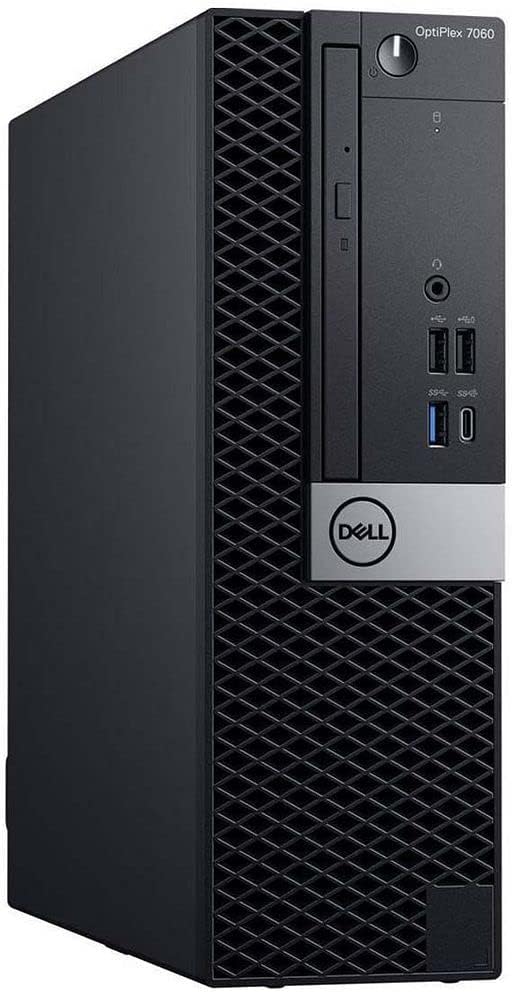
This unit is a complete desktop solution ready for immediate workstation deployment. Rated at 4.0, it offers a balanced mix of storage and memory for general business tasks.
We may earn a commission when you buy through this link, at no additional cost to you.
Powered by an Intel 8th Gen i7 processor, it supports efficient multitasking for office productivity. The 32GB of RAM ensures that multiple applications can run simultaneously without slowdown.
With a 512GB NVMe SSD, boot speeds and data transfers are rapid. The inclusion of Windows 11 Pro and wireless peripherals makes it a plug-and-play option for businesses.
Ideal for home offices or small business setups needing a ready-to-use system. While older, the components provide a reliable foundation for standard workstation tasks.
Windows 11 Pro allows Windows 11 redefines productivity and allows alongside your professional workflows.
We may earn a commission when you buy through this link, at no additional cost to you.
Selecting the right CPU depends on your specific workload. Below are key factors to consider before making a purchase to ensure optimal performance.
For workstation tasks like rendering or encoding, more cores significantly reduce processing time. Aim for at least 16 cores if you handle large 3D scenes or 4K video editing daily.
Ensure your budget allows for a motherboard that supports the chosen core count without bottlenecks.
Workstation CPUs often support multi-channel memory configurations. High bandwidth is crucial for handling massive datasets and complex simulations efficiently.
Check for support of DDR5 or DDR4 speeds that match your performance goals.
A larger L3 cache reduces latency by storing frequently accessed data closer to the CPU cores. This improves responsiveness in CAD software and other design tools.
Prioritize processors with high cache counts if you work with large files often.
High single-core clock speeds are vital for tasks that do not scale well with multiple cores, such as certain CAD operations. Look for boost clocks over 4 GHz.
Balance clock speed with thermal output to maintain stability over long sessions.
Professional work often requires multiple GPUs or high-speed NVMe storage arrays. Ensure your CPU provides enough PCIe lanes to support your planned expansion.
Avoid bottlenecks by matching lane counts to your hardware requirements.
Verify that your chosen CPU is compatible with existing motherboards or if a new board is needed. Some workstation CPUs require specific chipsets like W680 or X798.
Consider long-term upgrade paths when choosing a socket type.
Higher performance usually comes with higher heat output. Ensure your cooling solution is rated for the CPU's TDP to avoid thermal throttling during heavy loads.
Invest in quality coolers or water cooling systems for high-end workstation CPUs.
Enterprise-grade CPUs often include security features and remote manageability. These can be critical for businesses handling sensitive data or requiring remote troubleshooting.
Look for PRO or Workstation editions if you need these specific enterprise tools.
Proper installation is key to longevity. Apply thermal paste correctly and ensure the cooler is mounted evenly to avoid hotspots on the CPU die.
Keep the interior of your workstation clean from dust using compressed air. Dust buildup restricts airflow and can lead to overheating during intensive tasks.
Update your BIOS regularly to get the latest performance improvements and stability patches for your specific motherboard and CPU combination.
A workstation CPU typically features high core counts and robust memory support to handle professional tasks like rendering or engineering simulations. These processors often include enterprise-grade reliability features and extensive PCIe lane support for multi-GPU setups.
PRO versions offer additional features like error correction memory and remote manageability. If you are running a business environment or handling sensitive data, these features provide essential security and stability.
For general office work, 6 to 8 cores are sufficient. For heavy video editing or 3D rendering, look for 16 to 32 cores to minimize wait times and maximize productivity.
Yes, consumer CPUs fit standard ATX cases. However, workstation-specific processors may require specific motherboards that support higher core counts and specialized memory configurations.
DDR5 offers higher bandwidth which benefits data-heavy tasks. If your workflow involves large datasets or high-resolution video, DDR5 is a worthwhile investment for future-proofing your system.
High-performance CPUs generate significant heat. Use a high-quality air cooler or liquid cooling system rated for the specific TDP of your processor to maintain stable clock speeds.
We have explored ten distinct options ranging from high-end Threadripper processors to efficient consumer chips. Each offers a unique balance of core count, cache, and clock speed for varied professional needs.
Prioritize core count for rendering and cache for design speed. Ensure your motherboard supports the necessary memory and PCIe lanes before making your final decision.
Prices for these components can fluctuate daily. Always check the latest listings to ensure you are getting the best value for your specific workstation requirements today.