
2.4G Wireless System
3.6Editor score
Low latency transmission
360 degree gooseneck
Fifteen hour battery
Plug and play setup
This comprehensive guide compares the top ten clip on saxophone microphones for 2026, evaluating wireless range, sound quality, battery life, and durability
Finding the right clip on saxophone microphones can transform your live performances and recordings. Musicians need reliable audio capture that respects their instrument's integrity while delivering clear sound.
We have evaluated ten distinct systems based on transmission stability, ease of use, and audio fidelity. This list covers wireless and wired options suitable for students, teachers, and touring professionals.
Each pick highlights key strengths and potential trade-offs to help you decide. Keep in mind that availability and costs vary by region and retailer at any given time.
3.6Editor score

4.7Editor score
4.6Editor score
The following table provides a side-by-side comparison of all ten products. Use this to quickly identify key specifications like transmission technology, microphone type, and included accessories.




The Audio-Technica PRO 35 stands out as a reliable choice for musicians seeking consistent sound. With a high rating and proven track record, it delivers clear audio suitable for various performance environments.
We may earn a commission when you buy through this link, at no additional cost to you.
Its cardioid polar pattern helps isolate the saxophone sound from ambient noise, ensuring a focused pickup. The UniMount clip is designed to protect the instrument while holding the microphone securely in place during movement.
While the wired connection might seem less convenient than wireless options, it eliminates battery anxiety and signal dropouts. The six-foot cable is permanently attached, ensuring durability and reducing points of failure during gigs.
Musicians who prioritize sound quality and reliability over wireless freedom will find this microphone essential. It is an excellent choice for students learning stage presence and professionals needing a trusted backup tool.
The cardioid pattern reduces pickup from sides and rear, focusing only on the instrument.
The UniMount clip provides shock resistance and protects the microphone element from damage.
We may earn a commission when you buy through this link, at no additional cost to you.
This system offers an accessible entry point for those needing wireless functionality without high costs. It features a low latency design ideal for teaching and practice sessions where timing is critical.
We may earn a commission when you buy through this link, at no additional cost to you.
The 360-degree adjustable gooseneck allows precise positioning for optimal sound pickup on various instruments. Automatic pairing simplifies setup, making it a friendly option for beginners who may not be tech-savvy.
Battery life is impressive, supporting up to fifteen hours of continuous use. However, users might experience occasional interference in crowded wireless environments compared to more expensive UHF models.
Students and educators looking for a cost-effective solution for small gigs or daily practice will appreciate this balance of features. It provides enough stability for casual use while keeping financial barriers low.
Plug and play functionality allows beginners to start playing immediately without technical hurdles.
The long battery life ensures uninterrupted sessions for rehearsals or long lessons.
We may earn a commission when you buy through this link, at no additional cost to you.
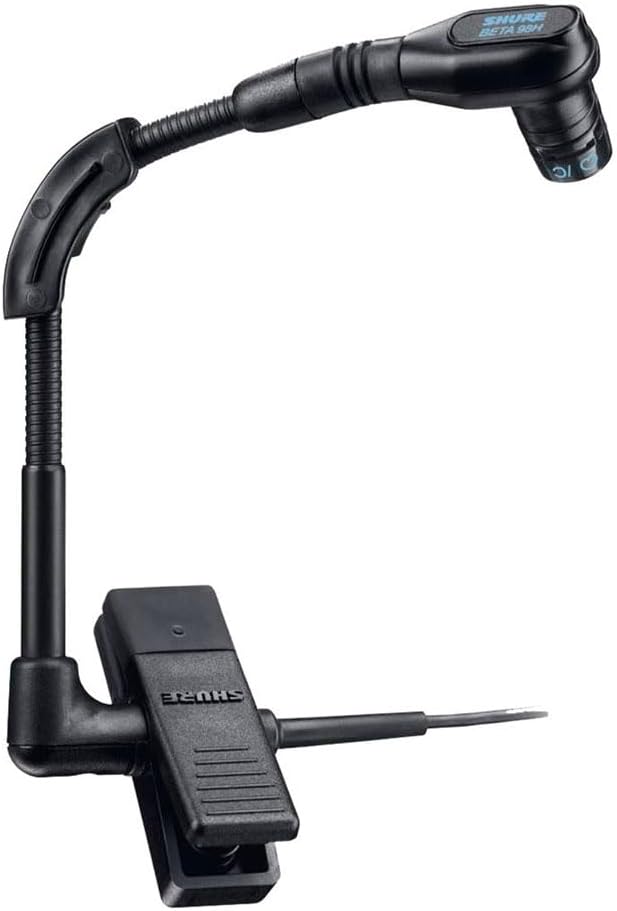
Professional saxophonists will recognize the Shure BETA 98H/C as a standard for high-quality instrument pickup. It handles extreme sound pressure levels without distortion, making it ideal for loud brass settings.
We may earn a commission when you buy through this link, at no additional cost to you.
The gooseneck with a ratcheting swivel joint allows for fixed positioning that remains stable even with vigorous playing. This precision ensures the microphone captures the instrument's true tone consistently over time.
Its transformerless preamplifier circuitry improves linearity across the frequency range, delivering an open and natural sound. While the price reflects this high-end engineering, it is an investment in reliability and audio fidelity.
Touring musicians and studio recording artists who demand the best will find this microphone indispensable. It offers the robustness needed for heavy use and the tonal accuracy required for professional productions.
Designed to handle the extreme demands of brass and percussion instruments without distortion.
The ratcheting swivel joint ensures the microphone stays exactly where you put it.
We may earn a commission when you buy through this link, at no additional cost to you.
This system excels in environments where multiple instruments need amplification simultaneously. The UHF technology ensures stable transmission even in complex wireless environments with high interference potential.
We may earn a commission when you buy through this link, at no additional cost to you.
Its unique detachable design separates the microphone from the transmitter, reducing weight on the instrument. This allows for better comfort and a more natural playing posture during long performances or rehearsals.
Supporting up to 32 sets of transmitters and receivers makes it suitable for orchestras or large bands. The one-to-more feature allows a single transmitter to work with multiple receivers, adding flexibility to stage setups.
Musicians in large ensembles or community bands will value the capacity for simultaneous operation without interference. The range and clarity provided make it a strong contender for serious group performances.
Multiple channels and one-to-more capabilities support large bands and orchestras effectively.
Detachable mic reduces instrument burden while maintaining signal stability and clarity.
We may earn a commission when you buy through this link, at no additional cost to you.
This system provides a straightforward approach to wireless audio for saxophone and other wind instruments. The reliable UHF transmission ensures that performers can move freely without worrying about signal breakups.
We may earn a commission when you buy through this link, at no additional cost to you.
The lightweight gooseneck design allows for adjustable positioning to suit different playing styles and instrument types. A universal clip secures the microphone firmly, ensuring it stays in place during energetic performance movements.
Simplicity is a key feature here, with plug-and-play setup requiring no drivers or complex configuration. This makes it ideal for musicians who want to set up quickly and focus on playing rather than technology.
Church musicians and solo performers looking for a hassle-free wireless solution will find this practical. It balances performance quality with user-friendly operation to make stage setup efficient and stress-free.
Generous operating range gives you space to engage with your audience without cables.
Adjustable design works well across various wind instruments including sax and trumpet.
We may earn a commission when you buy through this link, at no additional cost to you.
This accessory is designed specifically to provide a secure mounting point for clip-on microphones. It does not include electronic components but serves as a durable bridge between your instrument and your mic.
We may earn a commission when you buy through this link, at no additional cost to you.
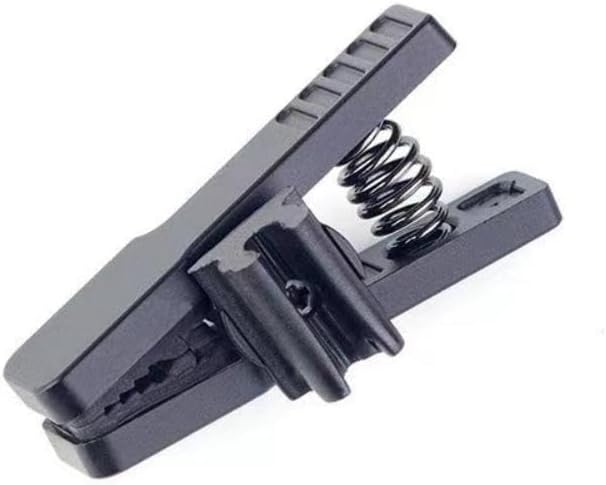
Constructed with stainless steel, the clip offers a strong grip that resists corrosion and wear. The design is intended to hold the microphone steady without damaging the finish of your saxophone.
Using this clip can simplify your setup by providing a standard interface for your existing gear. It is particularly useful for those who want to secure a microphone temporarily without permanent modifications to the instrument.
Musicians needing a simple way to attach their microphone without additional bulk will appreciate this hardware. It is a practical tool for enhancing the security of your audio setup during live sessions.
Provides a stable attachment point that keeps your microphone steady during performance.
The design prioritizes protecting your instrument's finish while ensuring a firm hold.
We may earn a commission when you buy through this link, at no additional cost to you.
This microphone system is built for versatility across various instruments, including saxophone and trumpet. The UHF transmission technology aims to provide a stable signal for live performances and broadcasts.
We may earn a commission when you buy through this link, at no additional cost to you.
A key feature is the rotatable silicone clip, which allows for flexible positioning and shock absorption. This design helps secure the microphone firmly while preventing slippage during active performance movements.
Battery life is shorter than premium options, offering about four hours of use per charge. However, the inclusion of a two-year warranty and a protective carrying case adds value and peace of mind for buyers.
Performers on a budget who need a reliable solution for small to medium venues will find this system useful. It offers a balanced mix of features for those needing to amplify their instrument without high costs.
The rotatable clip allows you to angle the microphone for optimal sound capture.
A two-year warranty and protective case ensure your investment is safe from damage.
We may earn a commission when you buy through this link, at no additional cost to you.
This system stands out with built-in echo and EQ levels, offering tone shaping options on the device. It uses digital chip circuit design to enhance transmission stability, allowing for reliable performance on stage.
We may earn a commission when you buy through this link, at no additional cost to you.
The gooseneck is crafted from durable material to ensure stability without annoying rebound after adjustment. This helps maintain the desired microphone position even when adjusting the angle mid-performance.
Battery stamina is rated up to eight hours, making it suitable for longer sets without needing a recharge. The LCD indicators provide crucial information such as volume and battery life directly on the receiver.
Musicians who appreciate having some control over their sound without external equipment will find this appealing. It is a solid choice for solo performers or small ensembles needing a self-contained wireless system.
Preset echo and EQ levels help customize your sound directly from the microphone system.
High-quality gooseneck material ensures your microphone stays in place during use.
We may earn a commission when you buy through this link, at no additional cost to you.
The Shure BETA 98H/C is renowned for its ability to reject feedback while capturing high sound levels. It uses a transformerless preamplifier to ensure linearity across the full frequency range for accurate reproduction.
We may earn a commission when you buy through this link, at no additional cost to you.
Its high maximum SPL enables it to handle the extreme demands of brass instruments without distortion. This reliability makes it a favorite among touring musicians who cannot afford audio issues during critical performances.
The wired connection ensures that there are no battery concerns or potential wireless interference. While this limits mobility compared to wireless systems, it guarantees consistent performance and sound quality in any environment.
If you prioritize sound quality and durability above all else, this microphone is a top-tier choice. It is built to last and perform under the toughest conditions, earning its reputation as a professional tool.
The pickup pattern provides high gain before feedback for louder sound without squealing.
Legendary ruggedness ensures this microphone can withstand years of touring and use.
We may earn a commission when you buy through this link, at no additional cost to you.
This system offers high-resolution audio with a sample rate of 24-bit and 48 kHz for detailed sound. The wide frequency response ensures that subtle nuances of the saxophone are captured accurately for listeners.
We may earn a commission when you buy through this link, at no additional cost to you.
It features an infrared automatic pairing process and up to 200 adjustable UHF channels to avoid interference. The digital screen displays frequency, battery power, and volume, giving users clear insight into the system status.
The clip includes shock absorber springs to protect the saxophone while holding the mic steady. This attention to detail ensures that your instrument remains safe while you perform with confidence and stability.
Streamers and performers who need high-quality audio for digital content will appreciate the sound fidelity. It provides the technical depth needed for high-quality recordings and broadcasts without sacrificing mobility.
Digital audio technology ensures every nuance of your instrument is captured with clarity.
An LED digital screen keeps you informed of battery and signal status at a glance.
We may earn a commission when you buy through this link, at no additional cost to you.
Selecting the right microphone requires balancing technical features with your specific performance needs. This guide outlines the critical factors to consider when making your choice.
Wireless systems provide mobility and freedom from cables but require battery management. Wired connections offer reliability and consistent power but limit movement on stage.
Consider your venue size and movement requirements before choosing a connection type.
Higher sample rates and bit depths capture more audio detail for professional sound. Ensure the frequency response matches the saxophone's tonal range for accurate reproduction.
Look for systems with a wide frequency range to capture all nuances of the instrument.
UHF technology typically offers better stability and range than 2.4 GHz systems in crowded environments. 2.4 GHz is easier to use but can suffer from interference in busy areas.
Choose UHF for professional gigs and 2.4 GHz for casual use or small rooms.
Condenser microphones are common in clip-on designs due to their sensitivity and detail. Dynamic mics are more rugged but may not capture subtle nuances as effectively.
Condenser types are usually best for wind instruments to capture their full tonal spectrum.
A good clip should be non-damaging to your instrument's finish and sturdy enough to stay put. Look for padding or rubberized grips to prevent scratches during use.
Ensure the mount is adjustable so you can position the mic for optimal sound pickup.
Longer battery life ensures uninterrupted performances without needing mid-set changes. USB-C charging is a convenient standard that aligns with most modern devices.
Prioritize systems with at least five to six hours of battery life for touring.
Multiple channels allow you to avoid interference in crowded RF environments. If you play in bands, check if the system supports multiple units simultaneously.
Systems with hundreds of channels are better for avoiding interference in crowded areas.
Higher price often correlates with better build quality and audio fidelity. A solid warranty provides peace of mind and protects your investment against defects.
Always check warranty terms and return policies before purchasing any audio gear.
Start by securing the microphone clip firmly on the instrument's bell or neck to ensure optimal sound capture. Adjust the gooseneck to point the mic toward the tone holes for clear audio.
For wireless models, ensure both the transmitter and receiver are fully charged before each performance. Pair the devices according to the manual to establish a stable connection.
Clean the microphone and clip regularly with a soft cloth to remove dust and oils. Store the equipment in its case when not in use to protect it from physical damage.
Most modern clip-on mics use rubberized or soft padding to prevent scratches on the finish. Always ensure the clip is tightened enough to hold securely but not so much that it compresses the instrument.
Yes, most systems output via XLR or 3.5mm jacks suitable for audio interfaces. They work well for home recording provided the signal is not distorted by excessive gain settings.
Ranges vary by technology, with UHF systems typically reaching 160 to 260 feet. In crowded environments, the effective range might be lower due to interference from other signals.
Battery life typically spans from four to fifteen hours depending on the model. Most systems use rechargeable batteries that can be charged simultaneously with a provided cable.
Many models are designed for general brass and woodwind use. However, verify the clip size matches your instrument to ensure a secure fit without affecting playability.
Yes, the receiver needs to connect to a mixer or amplifier to output sound. Ensure your receiver has the correct output jack for your existing sound system.
Whether you choose the reliable Audio-Technica PRO 35 or the versatile UHF systems, the right mic enhances your sound significantly. Each option offers distinct benefits tailored to different performance needs.
Prioritize sound quality and stability if you perform professionally, but consider cost-effectiveness for practice and teaching. The best choice depends on your specific environment and budget constraints.
Always verify current availability and terms before purchasing to ensure you get the right fit. Technology and prices change quickly, so staying updated helps you find the best deal for your needs.