
MT-92H Light Meter
4.6Editor score
Split sensor design
500ms refresh rate
Switchable backlight display
This guide compares the top analog light meters for photographers and cinematographers, highlighting features like battery-free operation and accurate exposure
Choosing the right analog light meter is essential for professionals who need reliable exposure data without relying on digital batteries. These tools offer a timeless approach to measuring light intensity in both studio and field environments.
We evaluated ten top-rated models based on accuracy, build quality, and ease of use. Each product was selected for its ability to provide consistent incident and reflected light readings across various lighting scenarios.
Each pick showcases key specifications and ideal use cases to help you decide. Please note that availability and specific pricing may change over time as manufacturers update their product lines.
4.6Editor score

4.6Editor score
5.0Editor score
Here is a side-by-side comparison of all ten models to help you quickly identify the best fit for your specific photography or lighting measurement needs.

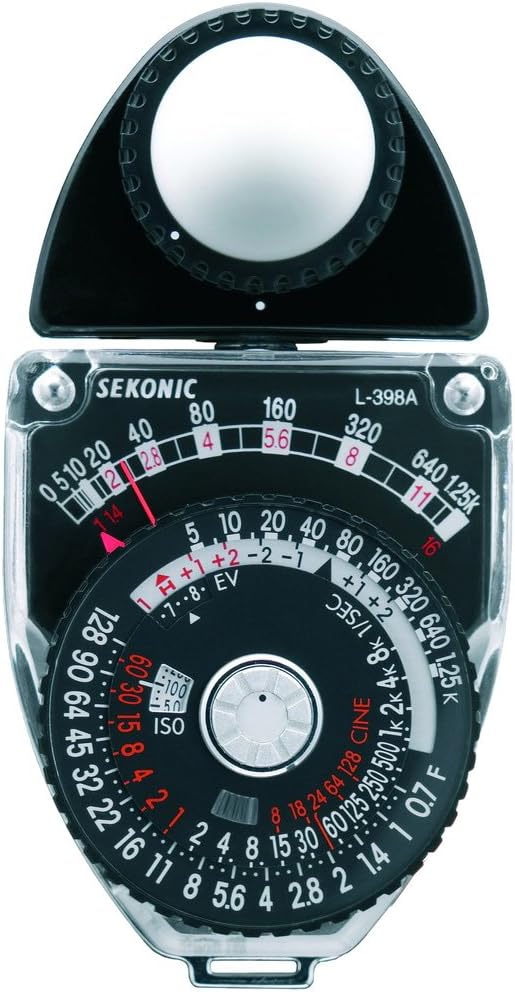


The Sekonic L-398A Studio Deluxe III stands out as a top choice for professionals seeking a reliable analog light meter. With a high rating, it offers battery-free operation using an amorphous photocell for consistent readings.
We may earn a commission when you buy through this link, at no additional cost to you.
Its full dial readout allows for quick aperture and shutter speed combinations without navigating electronic menus. The swivel head design ensures precise positioning while keeping the display in view during complex setups.
While it comes at a higher cost, the durability and included accessories justify the investment for studio and field work. Some users may find the manual calculation slightly slower than digital options.
Photographers and cinematographers who value precision and long-term reliability should consider this model. It remains a trusted tool for those who prefer analog simplicity over digital complexity.
The integrated amorphous photocell eliminates the need for batteries, ensuring the meter works whenever ambient light is available.
An adjustable head design lets you position the incident dome accurately while maintaining a clear view of the readout display.
We may earn a commission when you buy through this link, at no additional cost to you.
The MT-92H Light Meter offers exceptional value for those needing accurate lux measurements without a high cost. It delivers fast readings with a 500ms refresh rate for dynamic environments.
We may earn a commission when you buy through this link, at no additional cost to you.
Its innovative split-sensor design maintains measurement integrity while allowing flexible positioning. The display remains clear even in low light due to the switchable backlight feature.
While it focuses on lux rather than photographic aperture settings, it is ideal for environmental monitoring and set design. Users may find the digital readout less intuitive than analog dials for exposure control.
Budget-conscious professionals and hobbyists will appreciate its affordability and versatility. It serves well for general light measurement tasks in offices, factories, or home use.
The separate probe ensures measurement integrity while allowing flexible positioning for diverse professional applications.
With instant 0.5-second refresh rates, subtle light changes are captured quickly for accurate environmental monitoring.
We may earn a commission when you buy through this link, at no additional cost to you.
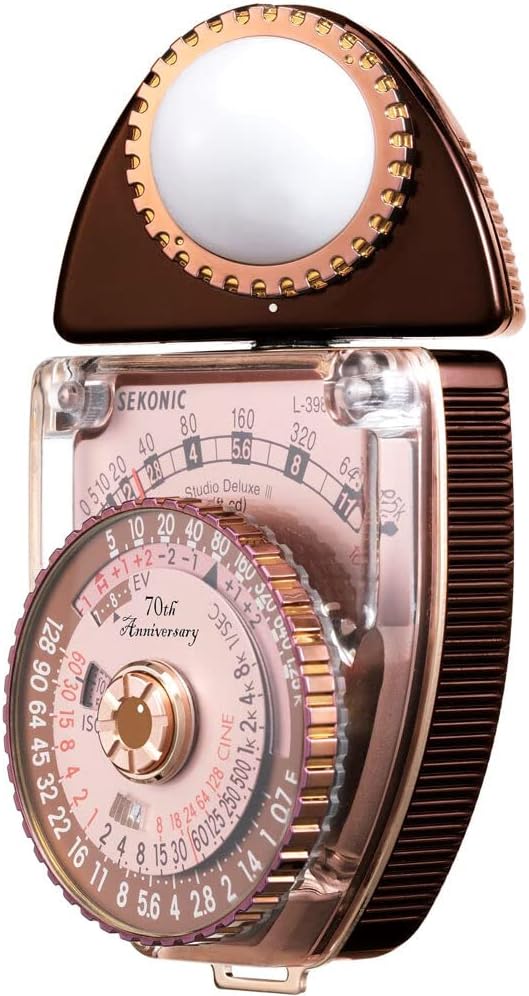
This anniversary edition represents the pinnacle of analog light meter design with its instant reading of full aperture and shutter combinations. A perfect rating reflects its exceptional performance and build quality.
We may earn a commission when you buy through this link, at no additional cost to you.
Designed for professionals who demand the best, it offers high-end durability and precise measurement capabilities. The unique edition status makes it a collector's item for photography enthusiasts.
The primary drawback is its very high price and potentially limited availability. It may not be necessary for casual users who do not require this level of professional refinement.
Serious cinematographers and collectors who appreciate legacy tools will find this model invaluable. It combines functionality with prestige in a way few other meters can match.
The meter provides instant reading of the full range of aperture and shutter combinations for efficient workflow.
As a special edition, it maintains the trusted reliability of the original while offering enhanced collectible appeal.
We may earn a commission when you buy through this link, at no additional cost to you.
This handheld meter covers a wide range of lux measurements from zero to two hundred thousand. It includes ambient temperature measurement for comprehensive environmental data gathering.
We may earn a commission when you buy through this link, at no additional cost to you.
The 4-digit color LCD screen provides clear visibility, while features like min/max readings and data hold aid in detailed logging. Auto power off helps conserve battery life during intermittent use.
While effective for general illumination tasks, it relies on batteries and digital interfaces which may not suit analog purists. It is best suited for industrial or home use rather than photographic exposure.
Professionals in set design or facility management will find this tool useful. It balances functionality with portability for a variety of measurement scenarios.
Measures luminosity from 0 to 200,000 Lux and ambient temperature for versatile application in various settings.
The 4 digital color LCD screen ensures readings are easy to view even in dim lighting conditions.
We may earn a commission when you buy through this link, at no additional cost to you.
A favorite among cinematographers, this compact analog meter measures both incident and reflected light readings accurately. Its no-battery requirement ensures it is always ready for use.
We may earn a commission when you buy through this link, at no additional cost to you.
The 180-degree Lumisphere supports general readings of three-dimensional objects, while the Lumidisc allows selective area measurements. The swivel head design facilitates checking light levels while walking the set.
While it is an older model, its reliability remains unmatched. Users accustomed to digital screens may find the manual calculation process less convenient.
This model is ideal for professionals who prioritize simplicity and ruggedness. It comes with essential accessories to support immediate use upon arrival.
Use the 180-degree Lumisphere for general readings of 3-D objects, or with the Lumidisc for selective area readings.
The swivel head allows you to hold down the metering button and walk the set to check light levels easily.
We may earn a commission when you buy through this link, at no additional cost to you.
This high-precision illuminance meter delivers fast readings twice per second, making it perfect for creating ideal growing environments for plants. It toggles effortlessly between FC and LUX units for user preference.
We may earn a commission when you buy through this link, at no additional cost to you.
The PEAK data recording feature allows you to lock in the highest light pulse value with a single press. A handy low battery alert keeps you prepared for any measurement task.
While effective for horticulture and general lighting, it lacks specific photography modes found in other models. Battery dependency is a minor inconvenience for long-term field use.
Homeowners and gardeners will appreciate its ease of use and portability. It provides accurate sunlight intensity data to help your plants thrive.
Lightning-fast readings 2 times per second ensure you get accurate light intensity data for optimal plant environments.
Effortlessly toggle between FC and LUX to measure light intensity in the unit that suits your gardening needs.
We may earn a commission when you buy through this link, at no additional cost to you.
Designed to capture reliable lux and foot-candle readings up to 40,000 lux, this meter ensures safe and efficient lighting in workplaces. Its large backlit LCD display makes readings easy to view in dim areas.
We may earn a commission when you buy through this link, at no additional cost to you.
Advanced functions like Min/Max and data hold help log and compare readings with ease. The high-performance sensor provides accurate measurements across all lighting conditions from daylight to industrial fixtures.
While priced higher than basic models, its reliability and safety features justify the investment for facility inspections. Users may need to manage battery replacement periodically for continuous operation.
Professionals in facility management or lighting inspections will find this tool essential. It offers a balance of accuracy and ease of use for critical safety checks.
Capture reliable Lux and foot-candle readings up to 40,000 lux with precision for safe lighting in workplaces.
The large backlit LCD display and one-handed operation ensure comfort and convenience for both professionals and casual users.
We may earn a commission when you buy through this link, at no additional cost to you.
The Gossen Luna Pro SBC measures both incident or reflected light readings with a digital readout in EV that transfers easily to setting rings. It includes unique features like a clock with alarm and temperature readout.
We may earn a commission when you buy through this link, at no additional cost to you.
While it offers some advanced functionality for legacy users, its rating reflects potential usability issues compared to modern equivalents. The EV readout is easily read at a glance for shutter speed and f-stop combinations.
This model may struggle with modern flash systems or require more maintenance than newer devices. Its lower rating suggests it may not be the first choice for active professionals today.
Collectors or users with specific legacy equipment needs might find value here. It remains a specialized tool for those familiar with its unique operational quirks.
Digital readout in EV is easily transferred to a setting ring where all shutter speed and f-stop combinations can be read at a glance.
Includes a clock with alarm, timer, and temperature readout for added convenience during shoots.
We may earn a commission when you buy through this link, at no additional cost to you.
As a Fluke branded illuminance meter tester, this model is known for professional grade reliability and precision. A high rating indicates its strong performance in demanding environments.
We may earn a commission when you buy through this link, at no additional cost to you.
Fluke tools are designed for accuracy and durability, making them a preferred choice for professionals who cannot afford errors. The tester delivers consistent light measurements for critical applications.
With limited detailed specifications provided, users may need to consult technical sheets for exact capabilities. The price reflects the premium quality associated with the brand name.
Industrial and facility professionals will appreciate the trusted brand reputation. It serves as a reliable tool for standard light measurement tasks.
Fluke brand products are recognized for high quality and professional reliability in testing and measurement.
As a professional grade tool, it ensures accurate readings for critical light measurement needs.
We may earn a commission when you buy through this link, at no additional cost to you.
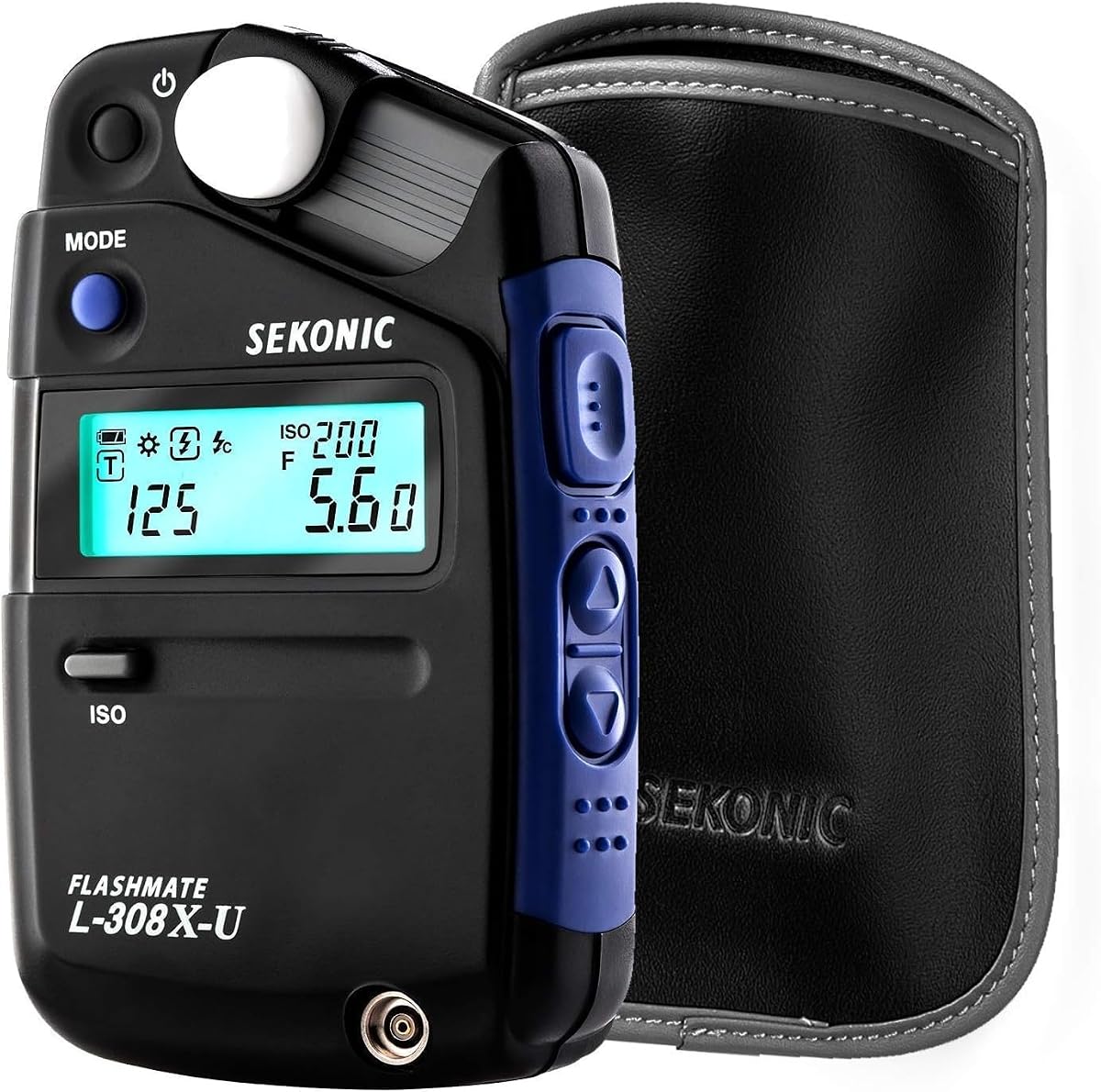
This compact digital meter provides exposure accurate down to a tenth-of-a-stop for both ambient and electronic flash light readings. It features specific modes for photo, cine, and HD cine users.
We may earn a commission when you buy through this link, at no additional cost to you.
The pocket-sized design makes it easy to carry, while the LCD auto backlight ensures readability in low light. It also offers illuminance measurement for broader lighting control needs.
While it is digital and requires batteries, its accuracy and mode versatility make it a strong competitor for modern photographers. Users preferring analog may find the digital interface less intuitive.
Photographers and videographers who need a versatile and portable tool will find it invaluable. It balances advanced features with a compact footprint.
Exposures accurate down to a tenth-of-a-stop for both ambient and electronic flash light readings in full-stop mode.
Photo, Cine, and HD Cine modes allow users to select frame rates and shutter angles for precise exposure control.
We may earn a commission when you buy through this link, at no additional cost to you.
Selecting the right light meter requires understanding your specific photography or measurement needs. This guide covers the key factors to consider before making a purchase.
Analog meters typically offer a classic dial readout that is easy to read without needing batteries. Digital models provide more features like auto backlight and precise numeric readouts.
Incident meters measure light falling on a subject while reflected meters measure light bouncing off. Some models offer both capabilities for greater versatility in different shooting scenarios.
Meters with amorphous photocells generate power from ambient light. This ensures the device works indefinitely without needing battery replacements or recharges.
Ensure the meter covers the lux or EV range needed for your environment. Wider ranges are useful for varying conditions from dim studios to bright outdoors.
Professional use requires a durable and compact construction. Look for sturdy materials that can withstand field use and accidental drops.
Accessories like straps, cases, and domes add value and convenience. Ensure the necessary tools for your workflow are provided or available.
Readability and intuitive controls save time during shoots. A clear display and easy button access are critical for efficiency.
Choose established brands known for reliability and support. A strong brand often guarantees better calibration and service options.
Position the meter's dome directly towards the light source for incident readings. Hold it at the subject's position to measure the light falling on them.
For reflected measurements, point the meter towards the subject from the camera's position. Ensure no shadows fall on the meter's sensor to avoid inaccurate readings.
Keep the device in a protective case when not in use. Regularly clean the sensor with a soft cloth to maintain accuracy and longevity.
Analog light meters use a mechanical dial to show exposure values while digital models display numbers on a screen. Analog meters often work without batteries while digital ones provide more precision and modes.
Yes, analog light meters work with any camera system by measuring light intensity directly. You simply input the ISO and shutter speed into the meter to find the correct aperture.
Many modern analog meters are battery-free as they use a photocell to generate power from ambient light. This ensures reliable operation without worrying about dead batteries in the field.
Incident metering measures the light falling on a subject while reflected metering measures the light bouncing off the subject. Incident metering is generally more accurate for consistent exposure.
Analog light meters are highly accurate when properly calibrated. Digital meters may offer slightly higher precision with numeric readouts but analog dials provide reliable results.
Many professionals prefer analog light meters for their simplicity and durability. They are less prone to electronic failures and provide quick readings without menus.
The Sekonic L-398A Studio Deluxe III and the MT-92H Light Meter offer top choices for professionals and budget-conscious buyers respectively. Each model provides unique features to meet different measurement requirements.
When choosing prioritize battery-free operation and build quality if you work in diverse environments. Consider whether you need incident or reflected capabilities for your specific photography workflow.
Always verify current availability and specifications before purchasing as models may vary. These tools remain essential for accurate lighting control in photography and cinematography.