
FLASHFORGE Creator 5 Pro
4.4Editor score
65 Degree C Active Chamber
Four Independent Extruders
HEPA13 Air Filtration
This guide compares the top 3D printers for high temperature filaments like ABS ASA PC Nylon and engineering grade materials for reliable results.
Finding the right 3D printer for high temperature filaments is essential for creating durable and functional parts. These machines require specific features like heated chambers and high temperature nozzles to handle advanced materials successfully.
We evaluated ten leading models based on their ability to print engineering grade filaments consistently. Our comparison focuses on build volume speed chamber temperature control and overall reliability for demanding projects.
Each pick highlights key strengths and potential trade-offs to help you make an informed decision. Keep in mind that availability and pricing can change so always verify details before purchasing your next machine.
4.4Editor score
4.7Editor score
4.3Editor score
This table provides a side-by-side overview of the top ten models selected for their capability to handle engineering grade materials. Compare key specifications like chamber temperature and extruder type to find the best fit for your workshop.


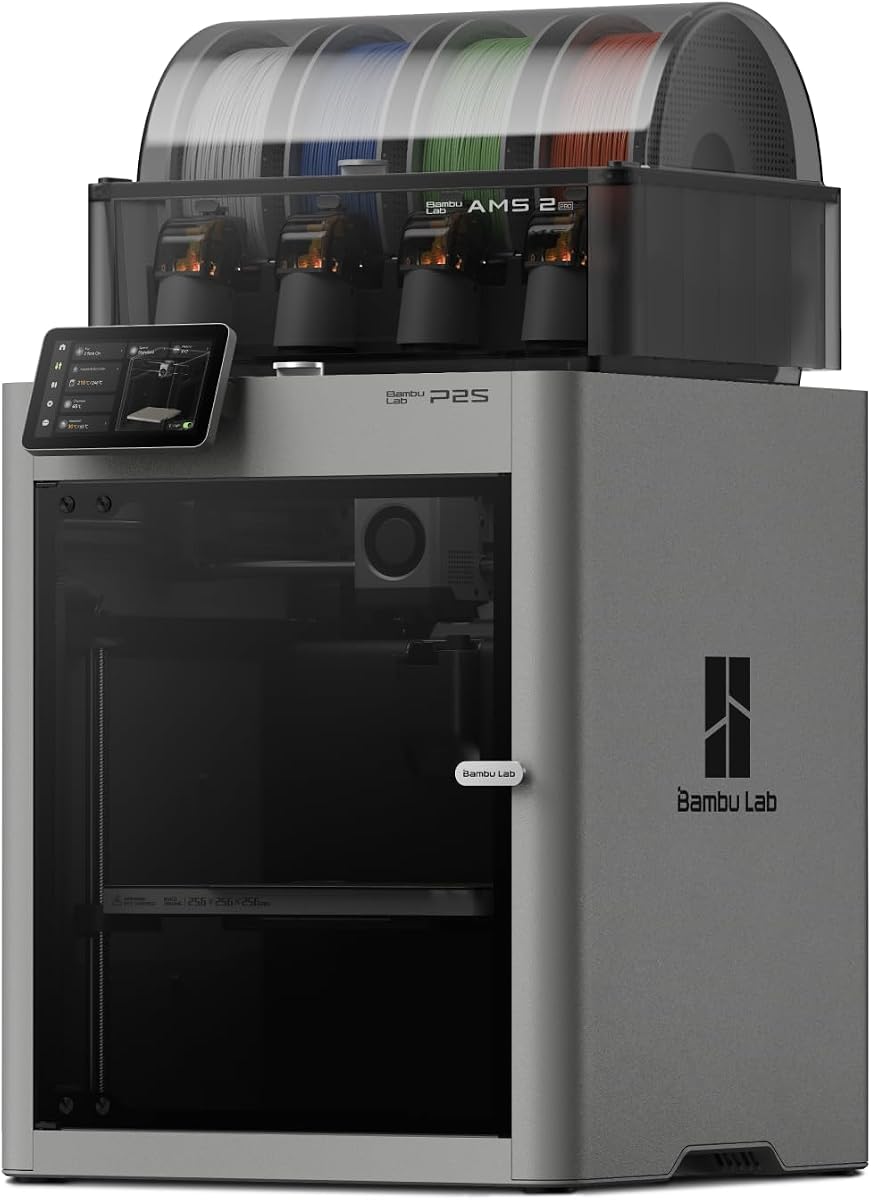
The Bambu Lab P2S Combo stands out as a top tier option for users seeking reliable performance with high temperature filaments. It combines speed with precision and includes features like active airflow control that help maintain consistent results.
We may earn a commission when you buy through this link, at no additional cost to you.
Its adaptive airflow system automatically balances cooling and heat retention which is critical for materials like ABS or ASA. The AMS 2 Pro adds filament drying capabilities ensuring your spools remain dry for optimal print quality.
While the price is higher than entry level models the time saved on calibration and troubleshooting often justifies the investment. Users report smooth workflows and fewer failed prints due to temperature instability.
This printer is best suited for professionals or serious hobbyists who need dependable results for engineering parts. Its blend of speed and thermal control makes it a versatile choice for various materials.
The P2S maintains a stable chamber temperature that prevents warping during long prints with ABS or polycarbonate.
The AMS 2 Pro includes built-in drying which helps prevent moisture related defects in hygroscopic materials.
We may earn a commission when you buy through this link, at no additional cost to you.
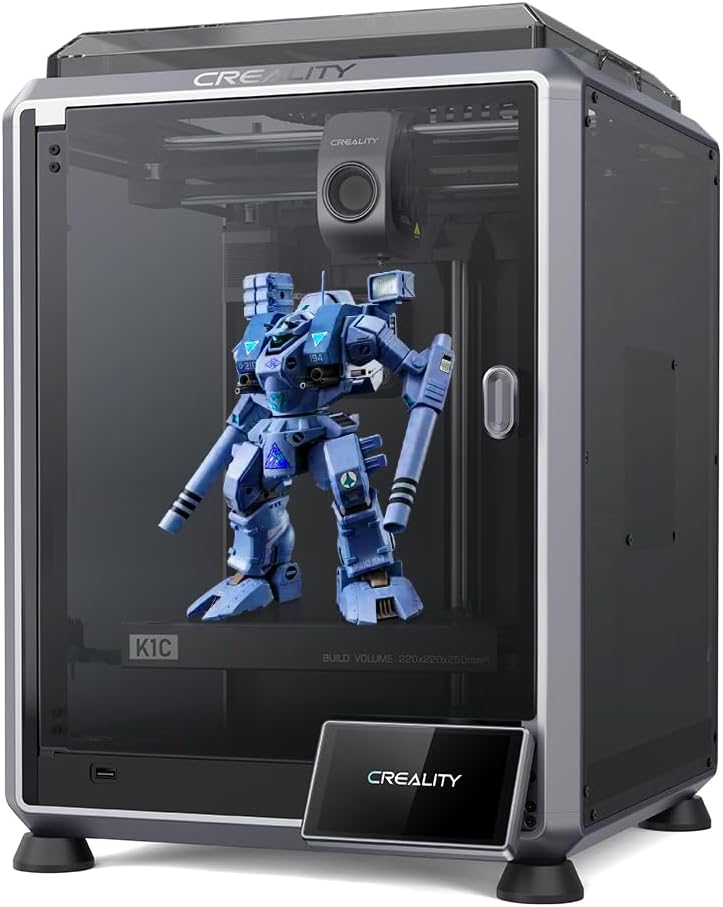
The Creality K1C offers a budget friendly entry into high temperature printing by supporting up to 300 degrees Celsius at the nozzle. It is designed to handle carbon fiber and other abrasive filaments without clogging.
We may earn a commission when you buy through this link, at no additional cost to you.
Its direct extruder and titanium alloy heatbreak work together to prevent heat creep which is common with high temperature materials. The auto calibration features save time during setup and reduce the need for manual adjustments.
While it lacks a heated chamber out the box users can add one to improve results with warping prone materials. This flexibility makes it a great choice for those who want to upgrade over time.
This printer is ideal for hobbyists looking to experiment with engineering filaments without a large upfront cost. With minor modifications it can produce quality parts for functional applications.
The hardened nozzle and direct extruder are specifically designed to prevent wear from carbon fiber or glass filled materials.
With high acceleration and 600mm/s speeds the K1C delivers fast results for prototyping and production parts.
We may earn a commission when you buy through this link, at no additional cost to you.
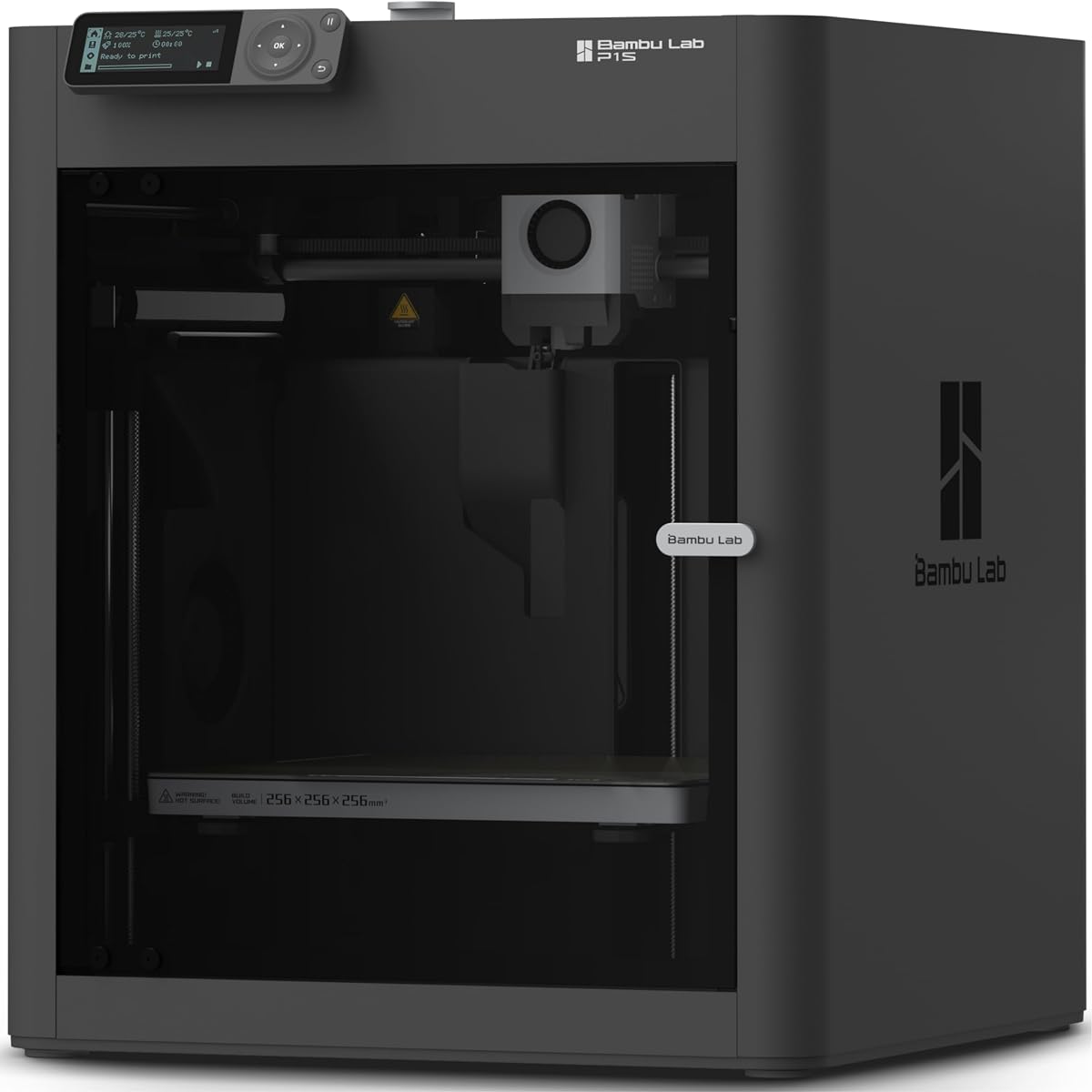
The Bambu Lab P1S is a fully enclosed printer that provides the thermal stability needed for ABS and ASA. Its design minimizes environmental drafts that often cause warping in high temperature prints.
We may earn a commission when you buy through this link, at no additional cost to you.
It supports materials like PETG TPU and ABS out of the box while offering the option to connect an AMS for multi-color prints. The auto bed leveling and calibration ensure consistent first layers every time.
While it does not have an active chamber heater the enclosed body still maintains sufficient heat for many engineering grade materials. Users appreciate the plug and play experience and minimal maintenance required.
This model works well for home offices or small shops where space and ease of use are priorities. It balances performance and convenience for users transitioning from basic filaments to more advanced ones.
The fully enclosed design protects prints from air drafts which reduces warping and improves layer adhesion.
Integration with Bambu Studio and the AMS system creates a seamless workflow for complex multi-color projects.
We may earn a commission when you buy through this link, at no additional cost to you.
The Bambu Lab A1 is designed with ease of use in mind making it accessible for beginners while still delivering high performance. It features full auto calibration and flow compensation for consistent results without manual tweaking.
We may earn a commission when you buy through this link, at no additional cost to you.
Its quiet operation and simple touchscreen interface make it suitable for home environments where noise is a concern. While it is not fully enclosed it can still handle standard materials with high precision.
For high temperature filaments the A1 is more limited compared to enclosed models but it excels with PETG and similar materials. The quick swap nozzle system simplifies maintenance and reduces downtime.
This printer is best for users who prioritize simplicity and reliability over high temperature capabilities. It remains a solid choice for general purpose printing and educational projects.
The A1 handles Z offset and leveling automatically which reduces the learning curve for new users.
Quick swap nozzles allow users to replace worn tips quickly without tools or extended downtime.
We may earn a commission when you buy through this link, at no additional cost to you.
The FLASHFORGE AD5X supports a 300 degree C nozzle which allows it to handle a wide range of engineering filaments. Its independent filament system enables multi-color prints without manual intervention or purging.
We may earn a commission when you buy through this link, at no additional cost to you.
Print speed is a major advantage with 600mm/s capability that speeds up prototyping and production cycles. The fully auto leveling system ensures a reliable start for every print reducing setup time.
While it lacks a heated chamber users can print high temperature materials if they add an enclosure. This makes it a flexible option for those who want to upgrade capabilities as needed.
This printer is a strong choice for users who need both speed and material versatility. It offers a good balance of features for hobbyists looking to move beyond basic PLA prints.
The IFS technology allows seamless switching between colors or materials without clogging or mixing.
High speed printing reduces wait times for large batches without sacrificing layer quality or detail.
We may earn a commission when you buy through this link, at no additional cost to you.
The FLASHFORGE Creator 5 Pro is built for industrial grade performance with an active heated chamber that reaches 65 degrees C. This ensures reliable printing with ABS PC and Nylon without warping or layer separation.
We may earn a commission when you buy through this link, at no additional cost to you.
Its four independent extruders allow multi-color prints without purge waste which saves material and time. The HEPA13 filtration system keeps the workspace clean and safe for office or home environments.
The all-metal frame and CoreXY architecture provide stability at high speeds ensuring precision across large builds. Tool changes are quick and the touchscreen interface simplifies operation for daily use.
This printer is ideal for professional environments that demand consistent quality and minimal waste. Its advanced features justify the investment for users focused on industrial or production applications.
The 65 degree C chamber maintains a stable thermal environment critical for engineering material success.
Independent toolheads eliminate cross contamination and allow complex multi-material parts to be printed efficiently.
We may earn a commission when you buy through this link, at no additional cost to you.
The Anycubic Kobra S1 Max offers a 350 cubic millimeter build volume for large scale engineering projects. It includes a 350 degree C hotend and 65 degree C chamber for reliable performance with advanced materials.
We may earn a commission when you buy through this link, at no additional cost to you.
Its CoreXY structure maintains precision at speeds up to 600mm/s while reducing vibration during fast movements. The titanium alloy throat tube helps prevent clogging and improves durability over time.
AI monitoring detects issues like foreign objects which helps prevent waste during long prints. This model suits users who need to produce functional parts in larger sizes without compromising quality.
While setup may be more involved than compact models the performance gains are significant. It is a great choice for prototyping large components that require strict material tolerances.
The expanded build area allows printing helmets or prototypes that would otherwise require assembly.
Support for PA CF and PC GF materials makes it suitable for aerospace or automotive applications.
We may earn a commission when you buy through this link, at no additional cost to you.
The Flashforge AD5X includes a 300 degree C nozzle and 4-color IFS system for versatile printing. Its high speed and magnetic PEI plate ensure adhesion and fast part removal for efficient workflows.
We may earn a commission when you buy through this link, at no additional cost to you.
Dual-band WiFi allows monitoring from anywhere which is useful for long prints with high temperature materials. The 30-second nozzle swap reduces downtime when changing between different material types.
While it performs well with standard engineering filaments the enclosure may need upgrades for PC or ABS. Users value its speed and color options for prototypes requiring visual detail.
This model fits well in environments needing both functionality and aesthetic results. It is a good match for users who want color variety without sacrificing thermal capability.
HD camera and WiFi connectivity let users track prints remotely which helps catch issues early.
Support for nylon and carbon fiber requires careful settings but yields strong functional parts.
We may earn a commission when you buy through this link, at no additional cost to you.
The Snapmaker U1 allows true multi-material printing by using four independent toolheads instead of a single extruder. Its 5-second tool changer reduces purge waste and increases speed compared to traditional systems.
We may earn a commission when you buy through this link, at no additional cost to you.
It supports rigid and flexible materials in one print enabling complex designs like supports or mixed hardness parts. The CoreXY system provides precision and speed up to 500mm/s.
While the upfront cost is higher the reduction in waste and time saved offers long term value. Users appreciate the ability to print functional prototypes with varied material properties.
This printer suits advanced makers who need multi-material capabilities for functional testing. It simplifies complex workflows by handling tool swaps automatically during the print.
Switching toolheads avoids mixing filaments which keeps material properties intact for each section.
Reduced waste and fast tool changes make this ideal for small batch industrial prototyping.
We may earn a commission when you buy through this link, at no additional cost to you.
The second Creator 5 Pro listing highlights the near-zero waste system which eliminates purge waste when switching tools. It features the same active chamber and CoreXY architecture for consistent industrial performance.
We may earn a commission when you buy through this link, at no additional cost to you.
Users benefit from dual HEPA13 filters that maintain a safe and odorless workspace. The auto calibration and flow calibration ensure the first layer is precise every time.
Monitoring via HD camera and remote control allows for unattended production which is vital for longer engineering prints. This model is optimized for efficiency and minimal operational overhead.
It is well suited for businesses where material cost and print failure rates are critical metrics. The near-zero waste feature significantly reduces expenses over large production runs.
By swapping tools instead of purging the system saves material and reduces post processing needs.
Remote monitoring and stable chamber temperature make this ideal for continuous multi-day runs.
We may earn a commission when you buy through this link, at no additional cost to you.
Selecting the right printer for high temperature filaments requires attention to thermal control and build quality. These factors determine whether you can successfully print materials like ABS polycarbonate or carbon fiber.
A heated chamber helps prevent warping by maintaining a stable environment around the print. Look for models that actively control chamber temperature rather than just enclosing the build area.
Prioritize printers with active heaters for materials like ABS or nylon to ensure layer adhesion.
High temperature filaments require nozzles that can reach at least 300 degrees C. The nozzle material should be hardened to withstand wear from abrasive materials like carbon fiber.
Choose a model with a 300 degree C nozzle and hardened steel or ruby options for durability.
Larger builds allow you to print bigger parts without assembly which is critical for functional prototypes. Consider the maximum dimensions of your typical projects before selecting a printer.
Ensure the build volume matches your intended use case to avoid the need for complex part splitting.
An enclosed build area protects prints from drafts and retains heat which improves consistency. Fully sealed enclosures are more effective than partial covers for high temperature materials.
Look for fully enclosed designs with reliable locking mechanisms to maintain internal temperatures.
High temperature printing can release fumes so air filtration systems are important for indoor use. HEPA and activated carbon filters help keep the workspace safe for occupants.
Select models with HEPA filtration if you plan to print in shared or occupied spaces regularly.
High speed printers reduce production time but must maintain accuracy when printing technical materials. CoreXY structures and vibration compensation help maintain quality at higher speeds.
Balance speed with stability by checking vibration specs and frame rigidity details.
Auto leveling and calibration features reduce setup time and ensure consistent first layers. Slicing software should support temperature profiles and material settings for engineering filaments.
Prioritize printers with intuitive software that includes profiles for high temperature materials.
While upfront cost matters consider long term expenses like wasted filament and maintenance. Models with low waste systems or durable components can save money over time.
Calculate total cost of ownership by factoring in maintenance and material efficiency rates.
Always ensure your workspace is well ventilated when printing high temperature materials. The fumes released can be harmful so proper ventilation or filtration is necessary for safety.
Keep your filament dry by storing it in sealed containers with desiccants. Moisture can cause defects and reduce the mechanical strength of your printed parts significantly.
Regularly clean and inspect your nozzle and extruder to prevent clogs. High temperature materials can leave residue that blocks flow if not cleaned periodically.
Filaments like PEEK can require temperatures above 400 degrees C but most desktop printers handle up to 300 degrees C. Always verify your printer's nozzle and chamber limits before attempting extreme materials.
Yes an ABS typically requires a heated chamber to prevent warping and delamination. Enclosed printers with active heating work best for consistent results.
No carbon fiber is abrasive and will wear down brass nozzles quickly. Use hardened steel or ruby nozzles to ensure durability and consistent flow.
Use an adhesive on the bed and maintain a stable chamber temperature. Ensuring proper bed adhesion reduces the risk of warping during cooling.
Yes especially when printing materials like ABS that release VOCs. HEPA and carbon filters improve air quality and protect your health during extended use.
Inspect your nozzle every few weeks for wear or clogs. Hardened nozzles last longer but should be replaced if flow becomes inconsistent or dimensions change.
Choosing the right printer for high temperature filaments depends on your specific needs and budget. The models listed above offer reliable performance for a range of engineering and production tasks.
Prioritize features like active heating and filtration if you plan to use advanced materials regularly. These details make the difference between success and repeated failures.
Remember to check current prices and availability as they can vary over time. Taking time to compare specifications ensures you get the best value for your project.