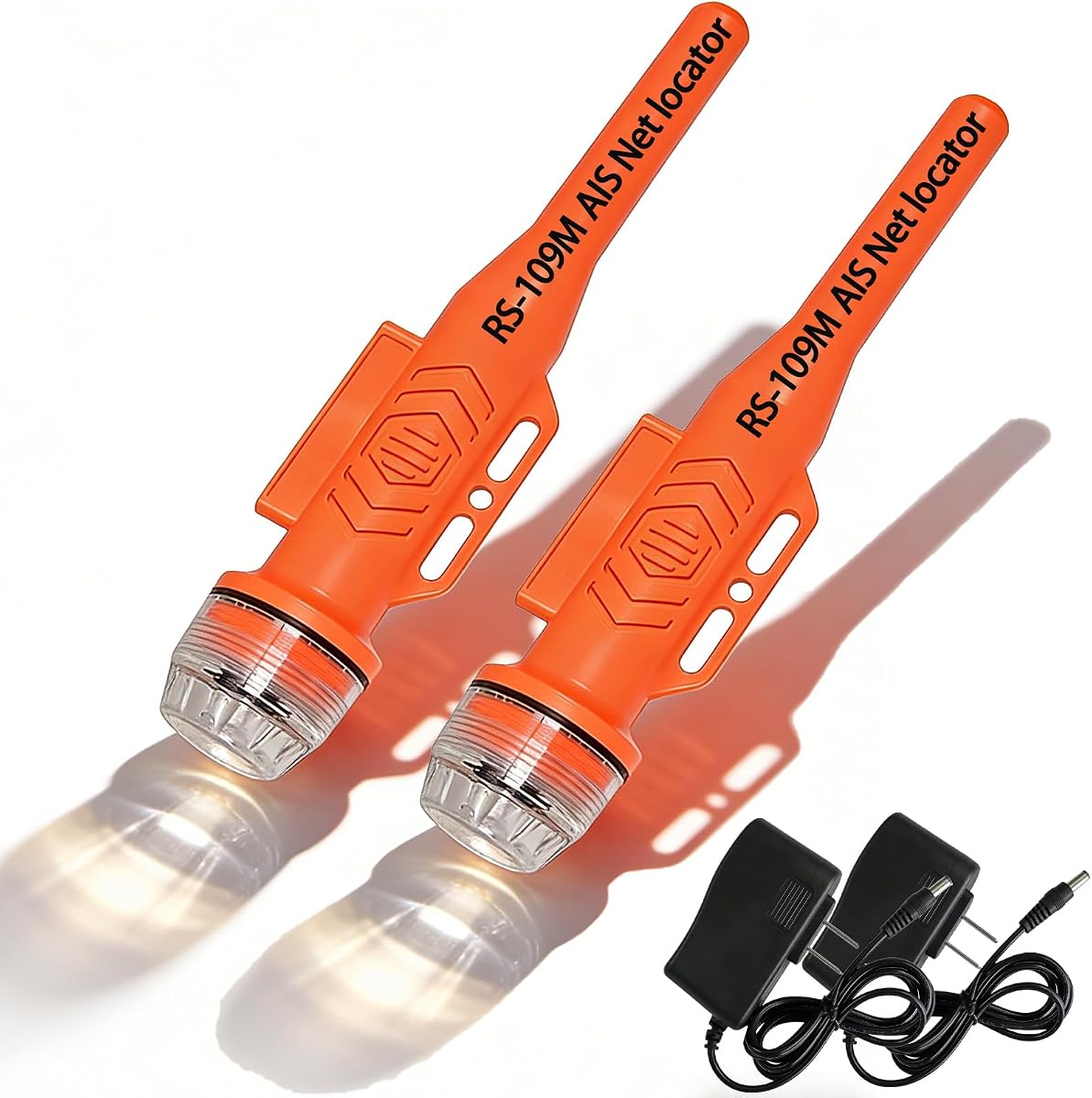
RS-109M Marine Net Locator
4.0Editor score
IPX7 waterproof housing
Two week battery life
Ten mile signal range
Automatic Identification Systems are crucial for modern maritime safety. These devices broadcast your vessel's position and data to nearby ships and shore stations. A reliable AIS transponder helps prevent collisions and improves situational awareness on the water.
We analyzed ten leading models based on key safety features. Our list includes Class A and Class B transponders as well as portable locators. Each entry highlights specific capabilities like display quality, connectivity options, and battery life.
Every pick shows distinct advantages for different boating needs. Whether you need a fixed marine unit or a personal beacon, there is an option here. Please note that product availability and pricing can change frequently.
4.0Editor score

4.5Editor score
4.8Editor score
As an Amazon Associate we earn from qualifying purchases.
This section provides a side-by-side look at every model. Compare key technical specifications and features to find the right unit for your marine setup.




The Icom MA-510TR is a powerful AIS transponder designed for serious boaters. It features a vibrant color display that makes reading traffic data easy even in bright sunlight.
We may earn a commission when you buy through this link, at no additional cost to you.
Its integrated GPS navigation system ensures accurate position reporting without needing external sensors. The unit also supports DSC calling when paired with compatible VHF radios for quick safety communication.
Users might find the price point higher than basic models but the feature set justifies the cost. The silent mode is particularly useful for secure operations where you do not want to broadcast continuously.
This unit is ideal for vessel owners who want a standalone solution with high visibility. We recommend it for those seeking reliable collision avoidance and clear on-board monitoring.
The 4.3 inch color display ensures all navigation data remains clear and easy to read in various lighting conditions.
Features like anchor watch alarm and collision alerts help keep your vessel safe during stationary or active navigation periods.
We may earn a commission when you buy through this link, at no additional cost to you.
The EM-TRAK NF-189 offers a straightforward approach to AIS broadcasting. It serves as a standard Class B transponder suitable for smaller vessels or supplementary systems.
We may earn a commission when you buy through this link, at no additional cost to you.
This unit operates on both 12V and 24V systems making it flexible for various boat electrical setups. The compact design allows for easy installation in tight spaces on board.
While it lacks a built-in display users can connect it to existing chartplotters. This makes it a good choice for those who already have a navigation screen and just need the transmitter.
We suggest this model for sailors who need reliable position reporting without extra frills. It ensures your vessel remains visible on electronic charts nearby.
Supporting both 12 and 24 volt systems ensures compatibility with a wide range of boat electrical configurations.
As a Class B transponder it meets standard regulations for AIS broadcasting ensuring you are visible to other ships.
We may earn a commission when you buy through this link, at no additional cost to you.
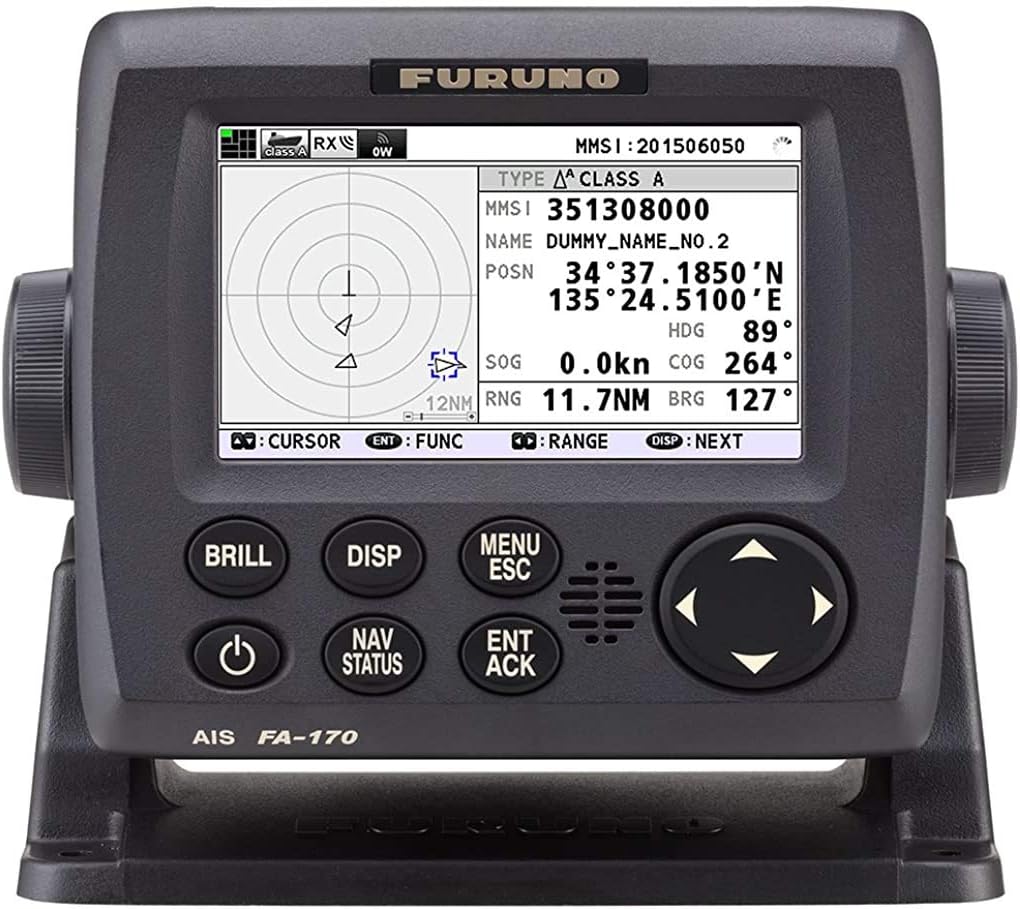
The Furuno FA170 stands out as a high-end Class A transponder for commercial or large recreational vessels. It provides advanced traffic analysis that helps captains make informed decisions.
We may earn a commission when you buy through this link, at no additional cost to you.
This unit can store up to 2048 AIS targets and even AIS SART signals which is vital for monitoring busy waterways. It also includes specific ports for alarms and network connections.
The ability to create messages or send name requests adds a layer of communication not found in basic units. However the high cost means it is best reserved for those needing top-tier performance.
We recommend this for professional boaters who require maximum situational awareness. The dangerous target list feature is invaluable for avoiding high-risk vessels in real time.
Storing over 2000 targets ensures you have a comprehensive view of all traffic in your vicinity without data loss.
The ability to send messages to other ships enhances safety and coordination in congested maritime areas.
We may earn a commission when you buy through this link, at no additional cost to you.
The RS-109M Marine Net Locator is an affordable option for tracking buoys and nets rather than full vessels. It provides real-time battery levels and position updates to your onboard receiver.
We may earn a commission when you buy through this link, at no additional cost to you.
Its IPX7 waterproof design ensures it survives underwater conditions which is critical for fishing gear. The battery lasts up to two weeks reducing the need for frequent checks or replacements.
While it transmits on marine VHF frequencies like standard AIS devices it is optimized for smaller trackers. The ten mile range gives plenty of coverage for coastal fishing or anchoring operations.
This is an excellent budget choice for fishermen who need to locate nets easily. It bridges the gap between basic tracking and advanced marine safety systems.
Built to IPX7 standards this tracker can be submerged and still transmit data reliably without damage.
The high capacity lithium battery supports continuous signal transmission for extended periods without frequent maintenance.
We may earn a commission when you buy through this link, at no additional cost to you.
The Raymarine T70424 bundle combines a VHF radio with AIS capabilities into one convenient package. It is designed for users who want a unified communication solution without separate units.
We may earn a commission when you buy through this link, at no additional cost to you.
Includes a Ray90 VHF fixed mount unit making installation straightforward. The bundle ensures your vessel can both transmit position data and communicate with others seamlessly.
The manufacturer support helps guarantee compatibility and reliability which is important for safety gear. However the price reflects the premium nature of bundled equipment compared to standalone units.
We suggest this for boat owners upgrading their entire radio system. It simplifies wiring and usage by keeping communication and tracking in one integrated setup.
This bundle merges VHF and AIS functions allowing for smoother operation and easier installation on deck.
Included fixed mount accessories ensure the unit is secured properly for safe operation in rough sea conditions.
We may earn a commission when you buy through this link, at no additional cost to you.
The ACR RESQLINK is a personal locator beacon designed for individual safety rather than vessel navigation. It sends distress alerts on VHF frequencies that nearby vessels with AIS can detect.
We may earn a commission when you buy through this link, at no additional cost to you.
A key feature is the Return Link Service which confirms when rescue teams have received your signal. This reduces anxiety during emergencies by providing immediate feedback to the beacon owner.
Its small size allows it to attach easily to life jackets or gear. The battery life is designed for long-term storage so it is ready when you need it without regular maintenance.
We recommend this for crew members and solo sailors as a critical safety backup. It is an essential piece of personal protective equipment for offshore voyages.
The return link service provides peace of mind by confirming your emergency signal was received by rescue authorities.
Designed with a long battery life this beacon stays ready for years without needing frequent battery changes.
We may earn a commission when you buy through this link, at no additional cost to you.
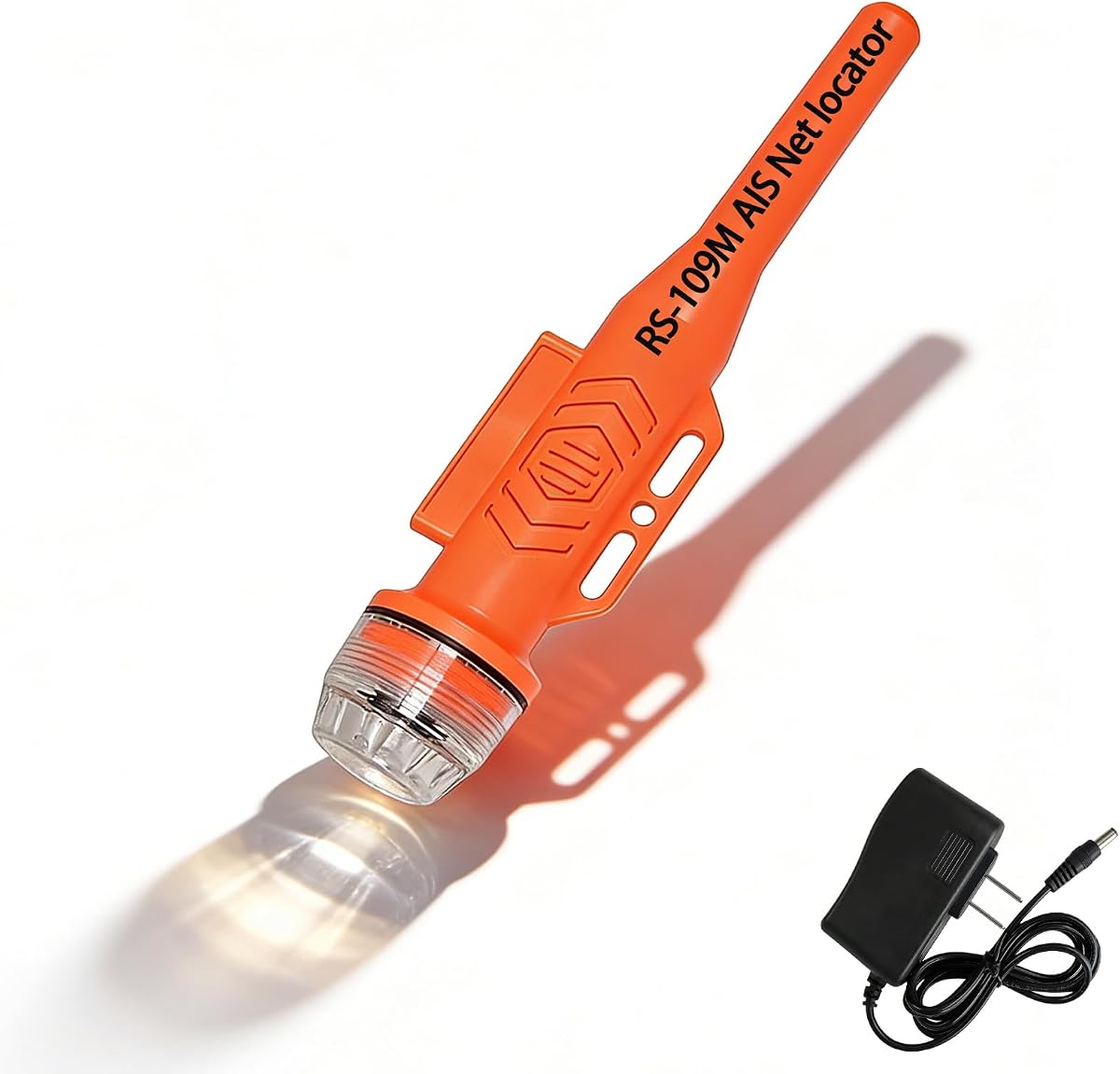
This single pack of the RS-109M offers the same durability and tracking power as the two pack. It is ideal for fishermen who only need one primary net buoy tracker.
We may earn a commission when you buy through this link, at no additional cost to you.
The device transmits real-time battery levels directly to your receiver so you never lose gear due to power failure. Its GPS module ensures precise location updates even in open waters.
Built with a sealed housing it withstands the harsh marine environment without issue. The ten mile range ensures you can locate your gear even if it drifts far from the boat.
We suggest this for boaters who need a reliable single tracker. It offers the best value for those not needing multiple units for extensive fishing gear.
High sensitivity GPS updates keep your buoy location current allowing for quick retrieval in rough conditions.
Fully sealed housing meets IPX7 standards ensuring the tracker works even when fully submerged in water.
We may earn a commission when you buy through this link, at no additional cost to you.
The Icom M94D combines a standard handheld VHF with a built-in AIS receiver. It lets you see nearby traffic on the screen while using the radio to communicate with them.
We may earn a commission when you buy through this link, at no additional cost to you.
Its loud 1500 mW audio output ensures calls are heard even in noisy engine rooms. The float and flash feature adds a layer of safety if the unit falls overboard.
With a 2400 mAh battery it provides up to 10 hours of operating time. The GPS navigation features allow you to save waypoints for fishing spots or destinations.
This is a great choice for small boat skippers needing both comms and awareness. It brings essential AIS viewing to a portable form factor without extra devices.
The integrated AIS receiver displays traffic targets directly on the radio screen for instant visibility.
Float and flash functionality ensures the unit is recoverable and visible if dropped in the water.
We may earn a commission when you buy through this link, at no additional cost to you.
The Icom M510 EVO is a modern fixed mount VHF radio that includes an AIS receiver. It integrates seamlessly with NMEA 2000 networks for easy system connectivity.
We may earn a commission when you buy through this link, at no additional cost to you.
This unit offers a streamlined installation for boats that already have a display or chartplotter. The receiver ensures you get traffic data without needing a separate AIS device.
Its 5.0 rating reflects strong user satisfaction with build quality and performance. The design prioritizes reliability and ease of use for daily marine communications.
We recommend this for owners upgrading their VHF system to modern standards. It provides a clean and efficient way to add AIS awareness to your cockpit.
NMEA 2000 compatibility allows the radio to share data efficiently with other navigation instruments.
High user ratings indicate that this unit performs consistently well in real world marine conditions.
We may earn a commission when you buy through this link, at no additional cost to you.
The Raymarine AIS700 is a Class B transceiver designed to work with multifunction navigation displays. It simplifies installation by including a built-in antenna splitter for VHF use.
We may earn a commission when you buy through this link, at no additional cost to you.
This unit uses SO-TDMA networking for faster performance and longer range compared to older models. It ensures your vessel is both seen and can see others clearly.
Although the rating is lower due to user specific issues the technical features are solid. It supports multiple connection standards making it versatile for modern boat networks.
We suggest this for Raymarine system users needing a straightforward transceiver. The included splitter saves time and cost during antenna installation and setup.
The built-in antenna splitter removes the need for external splitters reducing clutter and potential signal loss.
SO-TDMA technology ensures faster and more reliable data transmission in busy marine environments.
We may earn a commission when you buy through this link, at no additional cost to you.
Selecting the right AIS transponder depends on your vessel type and usage needs. Consider these factors to ensure you get a reliable safety device.
Class A transponders are typically used for commercial vessels and offer higher power and more frequent updates. Class B units are suitable for recreational boats and provide sufficient coverage for most small craft needs.
Some units come with built-in screens like the Icom MA-510TR while others connect to existing plotters. Choose based on whether you want standalone monitoring or a networked solution.
Check if the unit supports NMEA 2000 or NMEA 0183 standards. Modern networks often require NMEA 2000 for easy integration with other digital instruments on board.
Fixed units usually run on 12V or 24V systems. Portable trackers may rely on internal batteries so check the expected lifespan and charging requirements for your usage.
Marine electronics must withstand harsh conditions. Look for IP ratings like IPX7 if the device will be exposed to splashes or potential submersion.
Transmit range varies by power output and antenna quality. Most units cover 10 to 20 nautical miles but factors like weather and antenna height also play a role.
Features like anchor watch, collision alerts, or SMS capabilities can add safety value. Decide which extras are necessary for your specific sailing or fishing routines.
Ensure the transponder works with your existing VHF radio or navigation system. Incompatible units may require costly upgrades to your whole setup.
Install the unit in a dry area with clear sky view for GPS accuracy. Secure all connections tightly to prevent loosening due to vibration on the water.
Regularly update your ship details and MMSI number in the device settings. Ensure your position remains accurate by checking the GPS status occasionally.
Clean the exterior with fresh water and mild soap. Avoid harsh chemicals that might degrade the casing or buttons over time.
Class A units are mandatory for commercial vessels and offer higher transmit power and update rates. Class B units are for recreational craft and use less power while still providing adequate safety coverage.
Many modern transponders have built-in GPS modules. However if your unit lacks one you must connect an external GPS to ensure accurate position reporting.
Simply connect the power source and turn the unit on. Ensure your MMSI and ship details are entered in the settings before heading out for the first time.
Yes AIS helps you see other vessels and their vectors so you can adjust course early. It is a safety aid but does not replace good lookout practices.
No traditional AIS transponders do not require a monthly fee. They broadcast on VHF frequencies that are free to use without a service plan.
Check that the unit has GPS signal and power. Ensure your display is connected correctly and that other boats nearby are actually transmitting AIS signals.
The Icom MA-510TR leads as the top choice with its integrated display and robust feature set. The Furuno FA170 remains the premium pick for those needing high capacity traffic management.
Prioritize compatibility with your current marine systems to avoid unnecessary expenses. Whether you need a handheld or a fixed unit ensuring it matches your vessel requirements is key.
Prices and availability change often so check the latest deals before buying. Use this guide to make an informed decision that enhances your time on the water.