
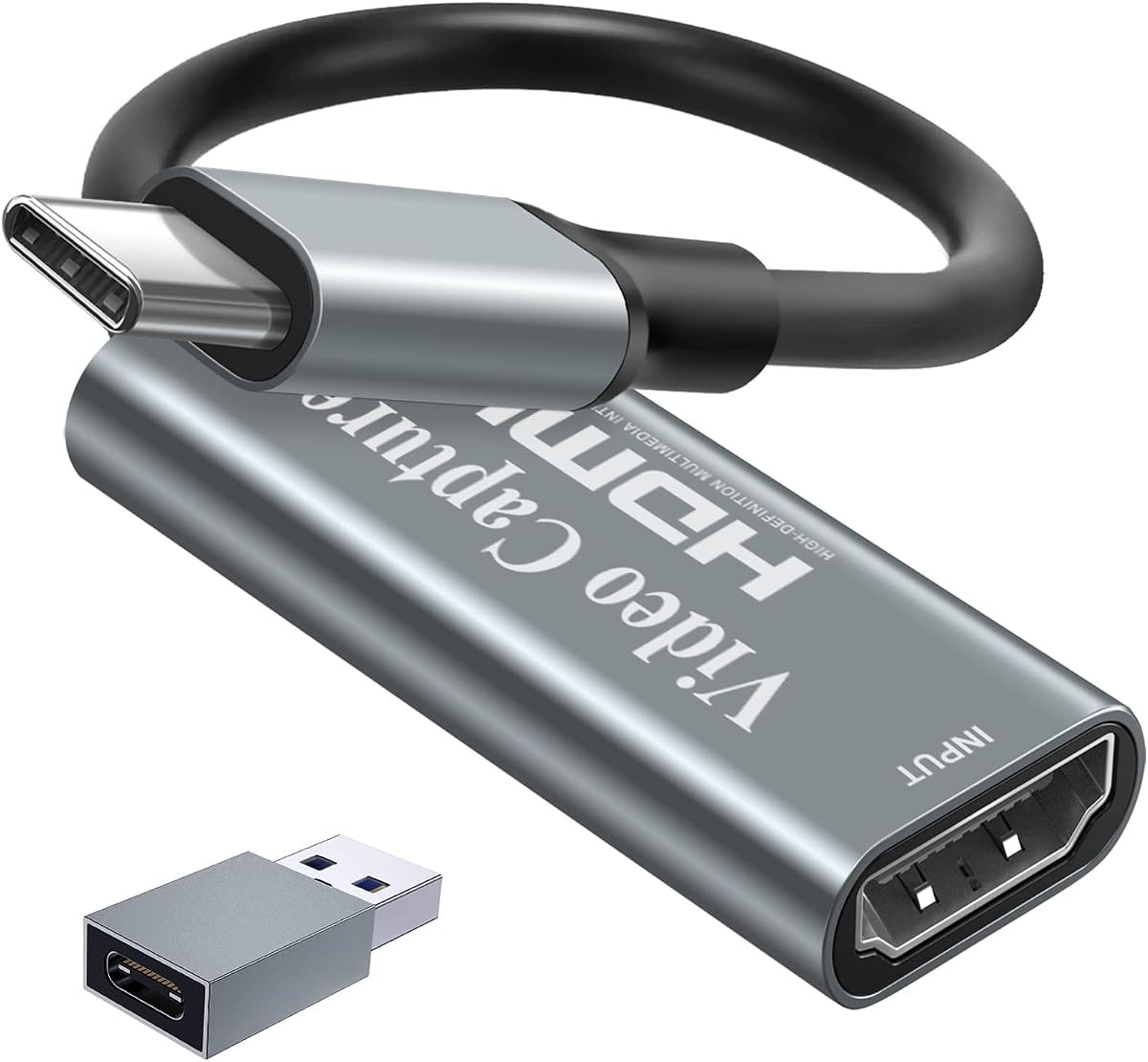
acer USB 3.0 HDMI Capture Card
4.4Editor score
Plug and play setup
Mic-in for commentary
1080P 60Hz output
This guide compares the top capture cards for Linux systems, evaluating compatibility, resolution, and latency for streaming and recording workflows.
Choosing a capture card for Linux requires careful consideration of driver support and hardware compatibility. Many devices rely on proprietary software that simply does not work on open source operating systems. Finding a reliable solution ensures smooth streaming and recording without frustrating technical hurdles.
We evaluated ten popular models based on their Linux compatibility, video resolution, and ease of use. The selection includes budget-friendly options and high-end devices capable of handling demanding gaming and content creation tasks. Each product was assessed for its ability to integrate seamlessly with common Linux distributions.
Each pick highlights specific strengths and potential limitations to help you make an informed decision. These devices support various inputs and outputs suitable for different workflows and setups. Please note that product availability and pricing may change frequently so always check current listings before purchasing.
4.4Editor score

4.4Editor score

4.2Editor score
The following table provides a side-by-side comparison of all ten models to help you quickly identify key specifications and features relevant to your Linux setup needs.





The UGREEN 4K@30Hz Loop Out Capture Card stands out as a top choice for Linux users due to its explicit system support. With a solid rating and robust feature set, it handles 1080P 60FPS streaming smoothly. Its loop-out port allows for real-time monitoring without added latency.
We may earn a commission when you buy through this link, at no additional cost to you.
This device features a versatile USB-A and C interface ensuring broad connection options. The aluminum casing aids heat dissipation during prolonged use. It supports formats like MJPEG and YUY2 allowing flexibility in video quality versus bandwidth usage.
While it does not support 4K capture, it handles 4K input well for 2K output. Users must ensure HDCP is disabled on consoles for proper functionality. These trade-offs are minimal considering the reliable performance on Linux systems.
Gamers and streamers seeking a balanced option will appreciate its plug-and-play nature. It works seamlessly with OBS and other common tools making setup straightforward. This model is highly recommended for those prioritizing Linux compatibility and stability.
Users report smooth operation without requiring additional drivers or complex configurations on standard distributions.
The dual USB interface ensures compatibility with a wide range of laptops and desktop setups.
We may earn a commission when you buy through this link, at no additional cost to you.
The acer USB 3.0 HDMI Capture Card offers excellent value for entry-level users on Linux. It delivers 1080P 60Hz performance with minimal latency. Users appreciate its simple plug-and-play operation requiring no external power or software installation.
We may earn a commission when you buy through this link, at no additional cost to you.
Its built-in mic-in port simplifies streaming by eliminating extra adapters. This feature is particularly useful for commentary during gaming or teaching sessions. The YUY2 technology enhances color quality making footage look more lifelike.
While it lacks specific Linux documentation, it works with UVC compliant systems. Some users may need to verify audio sync settings in OBS. These minor steps are worth the cost savings for budget-conscious creators.
Ideal for students or hobbyists needing a reliable streamer. Its small form factor makes it easy to transport for events. This option balances cost and performance effectively for basic Linux workflows.
Pricing makes this accessible for beginners who need basic capture without breaking the bank.
The mic-in allows direct voice capture reducing hardware complexity for live streaming.
We may earn a commission when you buy through this link, at no additional cost to you.
The Guermok Video Capture Card is a robust option for Linux users seeking reliable 1080P performance. Its aluminum casing ensures heat dissipation during extended use. The USB-C interface caters to modern laptops needing versatile connectivity.
We may earn a commission when you buy through this link, at no additional cost to you.
Low latency is maintained through efficient decoding allowing real-time previews. This makes it suitable for gaming and teaching where timing matters. The package includes adapters ensuring broad connection possibilities.
Users may need to restart OBS after audio setup changes to avoid silence. Additionally using the wrong side of an adapter might downgrade speeds. These issues are manageable with proper setup attention.
Recommended for users needing a durable portable capture solution. It supports many software tools making integration flexible. This card is a strong contender for active Linux-based content creation.
The aluminum build protects internal components and aids in thermal management for stable performance.
USB-C ensures compatibility with newer devices without needing extra adapters for connection.
We may earn a commission when you buy through this link, at no additional cost to you.
The Newhope USB 3.0 Capture Card provides a straightforward solution for Linux streaming. It supports 1080P 60FPS capture with minimal delay. The included HDMI loop-out allows simultaneous play and capture without lag.
We may earn a commission when you buy through this link, at no additional cost to you.
Mic-in capability simplifies voiceover needs during gaming sessions. Users appreciate the plug-and-play setup requiring no driver installation. Explicit Linux support ensures compatibility with common distributions without troubleshooting.
The device lacks advanced features like higher resolution support or audio mixing. This makes it suitable for users focused on standard HD streaming. Performance remains stable during extended recording sessions.
Ideal for educators and gamers needing a no-fuss capture device. Its reliable performance makes it a safe choice for daily use. This model fits well for basic Linux streaming requirements.
Listing explicit Linux support saves users time researching compatibility before purchase.
Mic-in allows direct voice capture simplifying hardware for live commentary.
We may earn a commission when you buy through this link, at no additional cost to you.
This capture card offers a highly portable solution for Linux streaming tasks. It supports 1080P 60FPS recording with low latency ensuring smooth playback. Its compact design makes it ideal for travel or portable setups.
We may earn a commission when you buy through this link, at no additional cost to you.
Users report seamless integration with OBS and similar software. The plug-and-play nature eliminates setup complexities. It handles common devices like Switch and PS5 effectively for content creation.
The device lacks advanced audio or multi-port features. It is best suited for straightforward capture needs without extra requirements. Performance remains consistent under standard streaming conditions.
Recommended for travelers or users with limited desk space. Its reliability makes it a practical choice for daily use. This device balances size and function well for Linux users.
Small size allows easy transport for on-the-go streaming or recording sessions.
No driver installation reduces time from unboxing to streaming.
We may earn a commission when you buy through this link, at no additional cost to you.
The UGREEN 2K Capture Card delivers strong performance with a 4.5 rating. It supports 2K output at 30FPS offering detailed visuals for post-production. Explicit Linux support ensures compatibility across major distributions.
We may earn a commission when you buy through this link, at no additional cost to you.
Both USB-A and C interfaces provide flexible connection options. The 5 Gbps speed ensures high data transfer rates reducing lag. This makes it ideal for high-quality recording and streaming tasks.
While 2K capture is limited to 30FPS, 1080P runs at 60FPS. Users must disable HDCP on consoles for proper signal transmission. These constraints are acceptable given the high resolution options.
Ideal for users prioritizing image quality and system support. Its balanced features make it a versatile choice for creators. This card is highly recommended for Linux-based high-end setups.
2K support allows for detailed recordings suitable for editing and archival.
USB-A and C ensure compatibility with various laptop and desktop ports.
We may earn a commission when you buy through this link, at no additional cost to you.
This capture card stands out with a high 4.6 rating and robust feature set. It supports 1080P 60FPS capture and accepts 144Hz inputs. Explicit Linux compatibility simplifies setup for open-source users.
We may earn a commission when you buy through this link, at no additional cost to you.
The inclusion of mic and headphone ports enables real-time monitoring. This feature reduces extra hardware for audio management. Plug-and-play functionality ensures quick start without driver hassle.
While it lacks a loop-out port, performance remains reliable. Users note excellent compatibility with major platforms like PS5 and Xbox. This makes it a solid choice for diverse gaming setups.
Recommended for users needing audio monitoring and Linux support. Its versatility covers streaming and teaching needs effectively. This device offers a strong balance of features and reliability.
Built-in headphone jack allows direct sound checking without external gear.
Accepts 144Hz signals enabling capture from high-refresh rate gaming PCs.
We may earn a commission when you buy through this link, at no additional cost to you.
The AVerMedia StreamLine MINI+ offers advanced features for professional streaming. It provides 4K60 HDR passthrough enabling high-fidelity viewing while recording 1080p. Ultra-low latency ensures smooth real-time gaming experiences.
We may earn a commission when you buy through this link, at no additional cost to you.
Multiple format options allow workflow customization for editing needs. The built-in software simplifies setup for beginners. This device targets serious creators needing top-tier performance.
Linux support is not explicitly stated which may require testing. The higher price reflects its premium features and build quality. It is best suited for those requiring specific high-end capabilities.
Recommended for professional streamers with high budgets. Its performance potential is unmatched in the group. Check Linux compatibility before purchase to ensure system fit.
4K60 HDR passthrough ensures the best display quality while recording.
Multiple video formats support different editing and streaming workflows.
We may earn a commission when you buy through this link, at no additional cost to you.
The Papeaso Video Capture Card delivers solid performance at an accessible price. It supports 1080P 60FPS capture with minimal delay. Explicit Linux support makes it a reliable choice for open-source systems.
We may earn a commission when you buy through this link, at no additional cost to you.
USB-C compatibility ensures modern connection options for various devices. Users report fluid video without freezing during sessions. It works well with standard streaming platforms like OBS.
The device lacks advanced audio features or loop-out ports. This is acceptable for basic streaming and recording needs. Its compact build allows easy transport for mobile setups.
Ideal for budget-conscious users needing Linux compatibility. It balances cost and functionality for entry-level creators. This device is a practical choice for straightforward Linux workflows.
Competitive pricing makes professional capture accessible to a wider audience.
USB-C ensures compatibility with newer laptops and devices.
We may earn a commission when you buy through this link, at no additional cost to you.
The AVerMedia Live Gamer Ultra represents the pinnacle of capture technology. It offers 4K60 HDR passthrough and VRR recording support for professional results. 5.1 audio capture ensures immersive sound for broadcasts.
We may earn a commission when you buy through this link, at no additional cost to you.
RGB24 support enhances visual fidelity for high-end gaming. The device supports wide system compatibility including Linux. Its features cater to users needing top-tier performance for serious production.
The high price is justified by its capabilities and build quality. It may be complex for casual users but essential for pros. Testing on specific Linux distros is recommended before full deployment.
Ideal for professional broadcasters with high production needs. Its advanced features provide unmatched quality for content creation. This device is the ultimate choice for premium Linux setups.
5.1 audio capture enables multi-channel sound for immersive streaming.
VRR recording ensures smooth visuals on variable refresh rate displays.
We may earn a commission when you buy through this link, at no additional cost to you.
Selecting the right capture card for Linux involves evaluating compatibility, resolution, and connectivity features.
Linux support is critical as many devices rely on Windows drivers that do not function on open-source systems. Always check product descriptions or community forums for confirmation that the card works with your distribution. UVC compliant devices generally offer the best plug-and-play experience.
Look for explicit Linux mentions in product details to avoid setup issues.
Decide if you need 1080P 60FPS for streaming or higher resolutions for recording. Some cards support 2K or 4K input but output at lower frame rates. Ensure the card matches your content creation goals for smooth playback.
1080P 60FPS is ideal for most streaming and content needs.
USB 3.0 provides necessary bandwidth for high-resolution capture without lag. USB-C interfaces offer better connectivity for modern laptops while USB-A ensures broader desktop support. Check your computer ports before purchasing to avoid adapter issues.
USB 3.0 or higher is essential for stable performance.
Built-in microphone inputs simplify commentary recording without extra hardware. Some cards offer separate mic and headphone ports for real-time monitoring. Verify these features match your streaming or teaching requirements.
Mic-in support reduces setup complexity for live streams.
HDMI loop-out allows you to play games on a monitor while capturing simultaneously. This prevents screen lag and improves viewer experience. Check if the device includes this feature if real-time gameplay is a priority.
Loop-out ports ensure smooth real-time monitoring.
Aluminum casings help dissipate heat during long sessions preventing thermal throttling. Compact designs are useful for travelers or those with limited desk space. Durability affects longevity especially for daily use.
Choose robust build quality for stability and portability.
Ensure the card works with OBS Studio or other preferred Linux software. Some brands provide proprietary tools that may not be available on Linux. Open standards like UVC ensure broader software compatibility.
Verify compatibility with major streaming and recording platforms.
Budget options provide basic functionality while premium devices offer advanced features like HDR or VRR. Assess your specific needs to avoid overspending on unused capabilities. Balance cost with required performance for best value.
Select a model that fits your budget and feature requirements.
Connect the HDMI cable from your source device to the capture card and plug the USB into your Linux computer. Most cards will be recognized automatically without needing driver installation. Open your streaming software and select the device as your video source.
Adjust resolution and frame rate settings in the software to match the card's output capabilities. Ensure your source device outputs at compatible settings for smooth capture. Test audio sync using a microphone if supported.
Keep the card in a well-ventilated area to prevent overheating during long sessions. Regularly check for firmware updates to maintain compatibility and performance. Handle cables carefully to avoid signal loss or physical damage.
Most UVC compliant capture cards work on major distributions like Ubuntu and Arch. However drivers specific models may need testing. Always verify Linux support in product details before purchasing.
USB 3.0 is recommended for smooth 1080P 60FPS capture. USB 2.0 may limit performance or resolution due to bandwidth constraints. Check your computer's ports for compatibility.
Loop-out allows you to play on a monitor without lag while capturing. It is not strictly necessary but improves the experience for gaming. Choose a model with loop-out if this matters to you.
Most cards are designed to work seamlessly with OBS and similar software. They typically appear as standard video devices in OBS. Ensure your Linux system has the required permissions enabled.
2K output is often a balance between quality and performance while 4K input preserves detail. Some cards accept 4K but output 2K for streaming. Choose based on your editing and streaming needs.
Adjust audio delay settings in OBS to match video frames. Ensure your microphone is correctly selected and not causing feedback. Restart the software after audio setup changes to apply fixes.
We reviewed ten capture cards highlighting their compatibility and features for Linux users. Top picks include the UGREEN 4K Loop Out for balanced performance and the acer USB for budget needs. Each option offers reliable streaming capabilities for different workflows.
Prioritize explicit Linux support and USB 3.0 speed for the smoothest experience. Consider features like loop-out or mic-in if they match your content type. Balancing cost with features ensures you get the best value for your setup.
Always check current product availability and specs before purchasing since models may change. Prices and availability fluctuate frequently. Visit the provided links for the most up-to-date information.