
Canon EF 100-400mm f/4.5-5.6L IS USM Lens
4.0Editor score
Professional L-series build
Fluorite optical elements
Tripod collar included
This guide compares the top camera lens for long distance wildlife to help photographers choose the best telephoto option for capturing sharp images of animals.
Choosing the right camera lens for long distance wildlife photography requires balancing reach, image quality, and portability. Photographers need gear that captures distant subjects clearly without compromising on sharpness or focus speed.
We evaluated ten highly rated lenses based on their optical performance, stabilization features, and compatibility with various camera systems. This list includes options for both mirrorless and DSLR users seeking reliable tools for nature photography.
Each pick highlights specific strengths and ideal use cases to help you find the perfect match for your needs. Note that product availability and pricing can change frequently, so always check current listings before purchasing.
4.0Editor score
4.7Editor score

4.7Editor score
This comparison table provides a side-by-side overview of key specifications for all ten lenses reviewed in this guide. Use it to quickly identify which model matches your camera system and budget requirements.



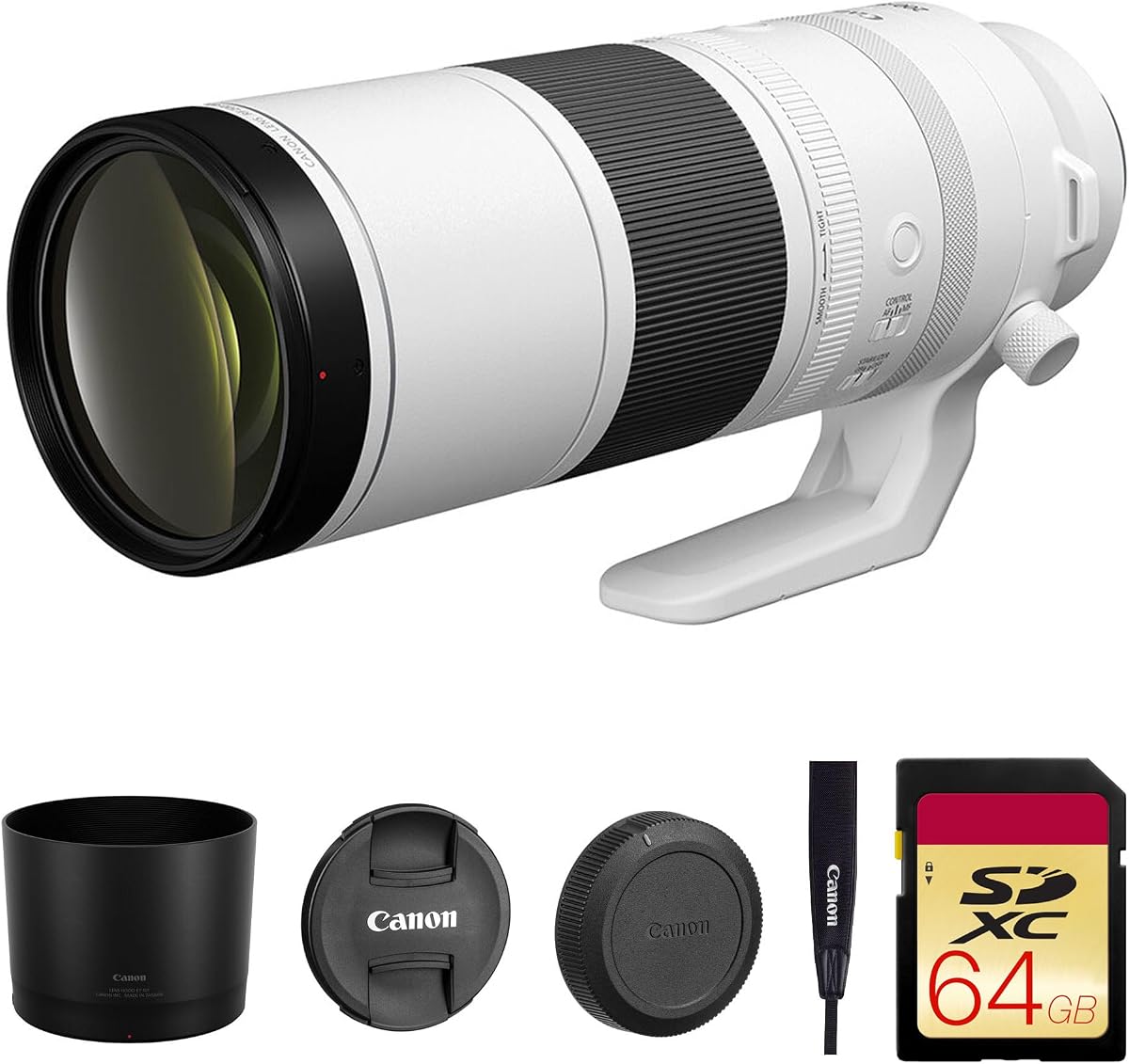
This Canon RF lens delivers exceptional reach for wildlife photography with its 200-800mm range. Rated highly by users, it combines optical performance with practical features like built-in stabilization.
We may earn a commission when you buy through this link, at no additional cost to you.
The built-in image stabilization ensures handheld shots remain sharp even at maximum zoom. The USM autofocus system tracks moving subjects quickly, making it ideal for birds and active animals.
While the aperture narrows at longer focal lengths, the optical quality remains strong. The weight is manageable for field use, though a monopod may help during extended sessions.
Wildlife photographers using Canon mirrorless cameras will find this lens a top choice for its balance of reach and usability. It is highly recommended for those seeking professional results without heavy gear.
The 800mm maximum focal length allows capturing details from far away without disturbing wildlife.
Designed specifically for RF mount, it leverages advanced autofocus and stabilization technologies.
We may earn a commission when you buy through this link, at no additional cost to you.
This lens offers a groundbreaking zoom range that extends to 800mm. It is designed for mirrorless users needing powerful telephoto capabilities for wildlife and nature shots.
We may earn a commission when you buy through this link, at no additional cost to you.
The compact design makes it easier to carry on hikes compared to traditional super-telephotos. It maintains high optical quality throughout the zoom range thanks to optimized construction.
Compatibility with RF extenders allows even greater reach when needed. However, the cost is significant and may not suit entry-level budgets.
Users seeking the longest zoom possible in a manageable form factor should consider this lens. It excels in outdoor sports and wildlife scenarios where mobility is key.
From 200mm to 800mm, this lens covers a vast range for diverse shooting situations.
The RF mount optimization ensures sharpness and clarity across all focal lengths.
We may earn a commission when you buy through this link, at no additional cost to you.
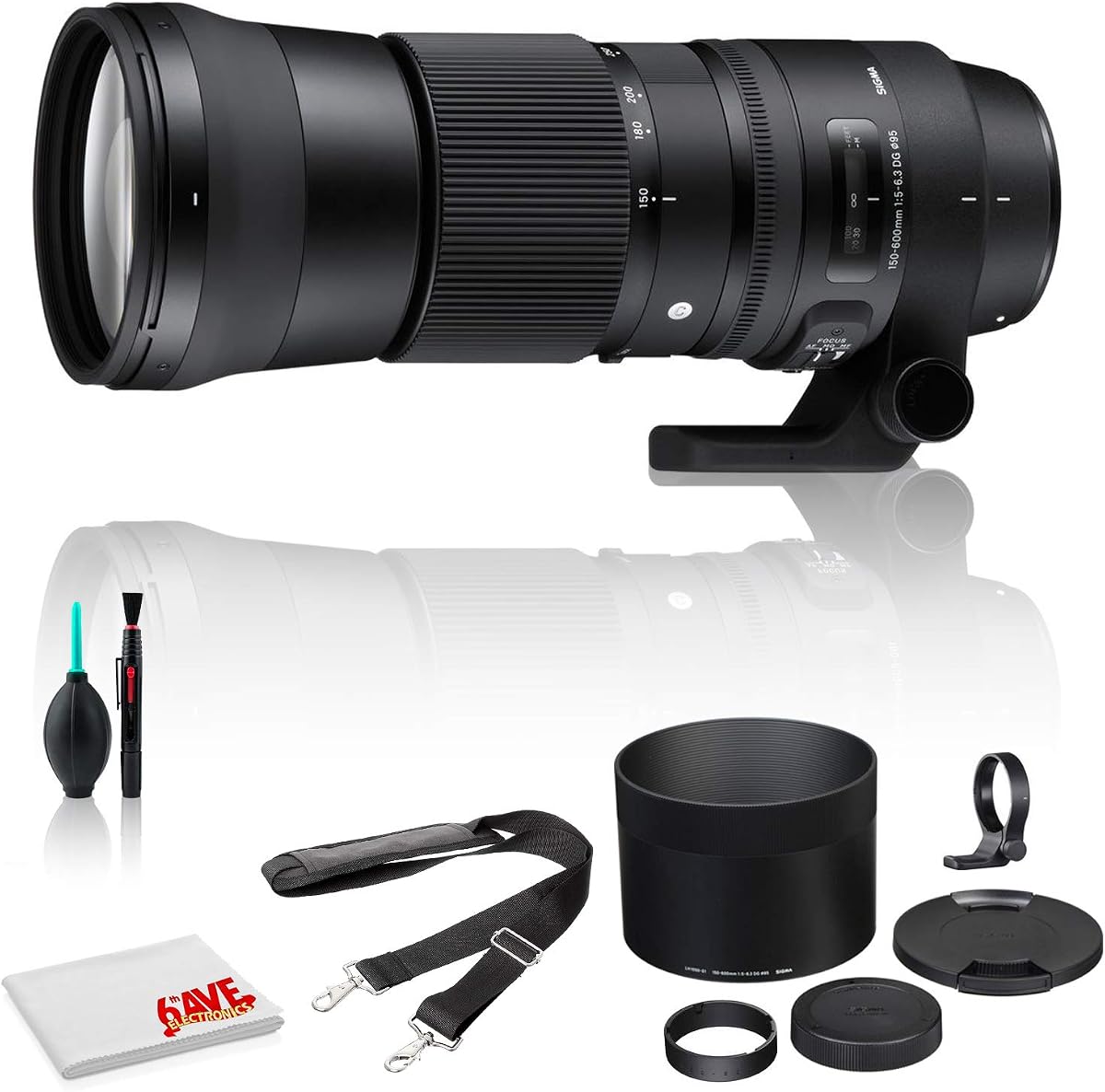
Sigma offers a versatile lens for Canon DSLR users that balances cost and performance. The 150-600mm range covers most wildlife scenarios effectively.
We may earn a commission when you buy through this link, at no additional cost to you.
The HSM autofocus motor provides quick focusing, while the optical stabilizer helps reduce shake. It is constructed with FLD and SLD elements for reduced aberrations.
Weight is a consideration for handheld shooting over long periods. A tripod or monopod is often recommended for best results at maximum extension.
This lens is ideal for enthusiasts who need long reach without breaking the bank. It performs well in varied lighting conditions when paired with a capable DSLR body.
Covering 150mm to 600mm, it adapts to both close and distant subjects easily.
Special glass elements minimize chromatic aberrations for cleaner images.
We may earn a commission when you buy through this link, at no additional cost to you.
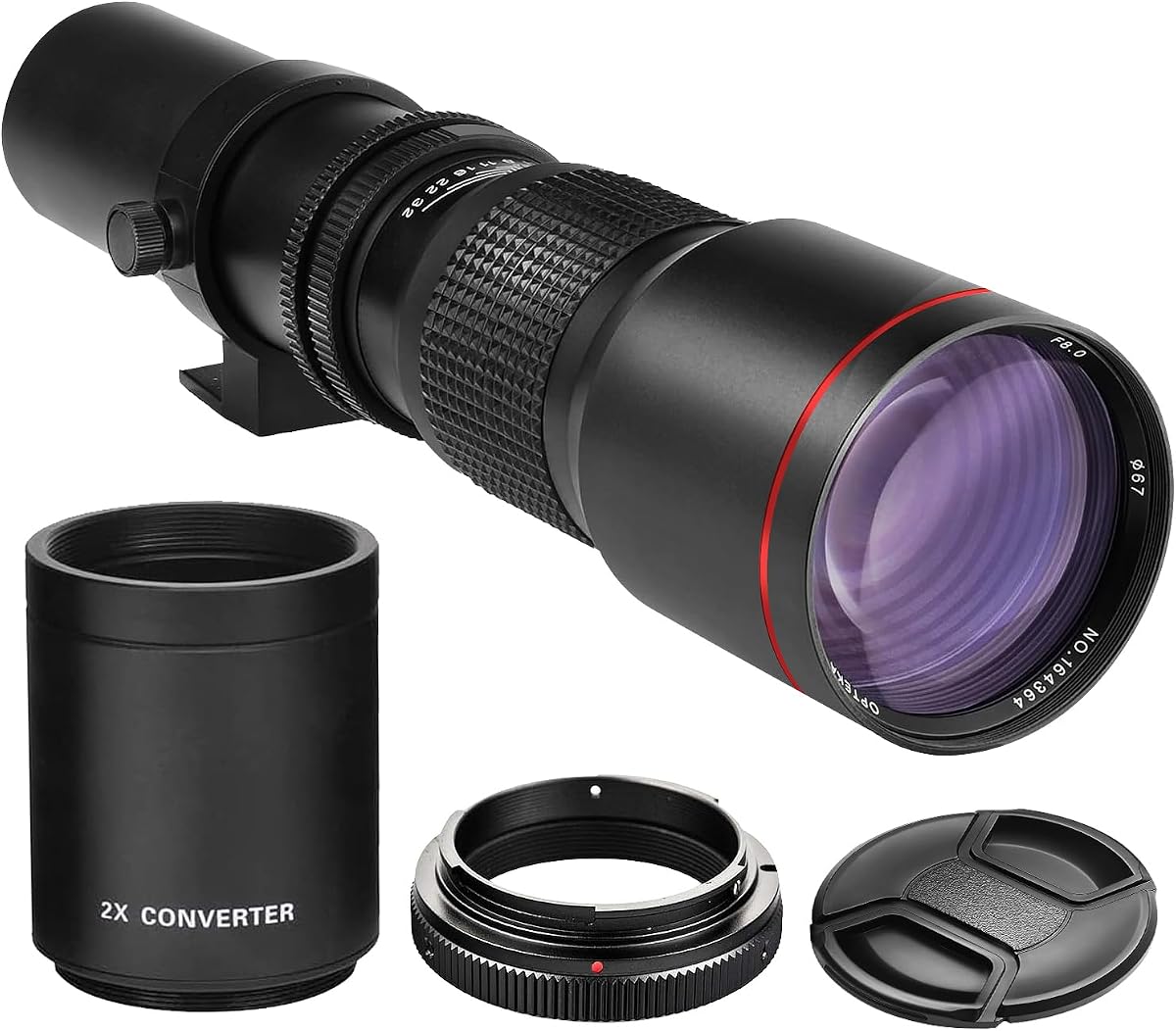
This manual lens provides an affordable way to achieve extreme reach for wildlife photography. It converts to 1000mm with the included teleconverter.
We may earn a commission when you buy through this link, at no additional cost to you.
The f/8 aperture is suitable for bright daylight but may struggle in shade. Manual focus requires patience but offers full creative control over shots.
Image quality is decent for the price but may lack the sharpness of higher-end lenses. It is best used on a tripod to minimize camera shake.
Beginners or those on a tight budget will appreciate this option for experimenting with long-range photography. It is a practical choice for stationary subjects or landscapes.
Get 1000mm reach without the high cost of professional super-telephoto lenses.
Manual focus allows precise adjustments for static subjects or macro-like details.
We may earn a commission when you buy through this link, at no additional cost to you.
This Canon L-series lens is a staple for professional wildlife photographers using DSLRs. It offers reliable performance with high-quality optical elements.
We may earn a commission when you buy through this link, at no additional cost to you.
The floating element system maintains sharpness at all focal lengths. Stabilization helps reduce shake, making handheld shooting feasible in many conditions.
Build quality is exceptional with weather sealing and a tripod collar. The filter kit included in this bundle adds value for outdoor shoots.
Investors seeking a durable and sharp lens for serious photography should consider this model. It remains a top contender despite newer mirrorless alternatives.
Fluorite and UD elements ensure minimal aberrations and high contrast.
Optical stabilization reduces camera shake significantly for clearer handheld shots.
We may earn a commission when you buy through this link, at no additional cost to you.
This manual zoom lens offers an enormous focal range for budget-conscious photographers. It allows reaching extremely distant subjects easily.
We may earn a commission when you buy through this link, at no additional cost to you.
The HD coating helps maintain clarity and reduce flare. Manual zooming gives full control but requires steady hands to adjust smoothly.
The f/8.3 aperture limits low-light use but works well in daylight. It is best suited for static wildlife or scenic shots.
For those needing maximum reach without high costs, this lens is a viable option. It is a practical tool for exploration and casual wildlife photography.
The 1600mm equivalent reach brings far-off subjects into view effectively.
Manual adjustments provide unique creative opportunities in photography.
We may earn a commission when you buy through this link, at no additional cost to you.
This RF lens brings professional quality to the mirrorless range at a lower price. It is designed for portability and ease of use.
We may earn a commission when you buy through this link, at no additional cost to you.
With up to 5.5 stops of stabilization, handheld shooting is reliable. The Nano USM motor ensures smooth and fast focus tracking.
Though it lacks the extreme reach of the 800mm lenses, the versatility is excellent for varied wildlife scenarios. It fits easily into travel kits.
Photographers needing a balanced lens for everyday use will appreciate its design. It is highly recommended for casual nature shooters and travelers.
Small size makes it easy to carry during long hikes or trips.
Up to 6 stops combined with camera IBIS for steady shots.
We may earn a commission when you buy through this link, at no additional cost to you.
A classic entry-level lens for beginners learning wildlife photography. It offers a basic zoom range at a low cost.
We may earn a commission when you buy through this link, at no additional cost to you.
The manual focus ring allows for precise adjustments. While it lacks stabilization, its light weight reduces camera shake when used correctly.
Optical performance is adequate for daylight shots. It is not ideal for low light but serves well for learning composition.
New photographers wanting to try telephoto work should start here. It provides a solid foundation before investing in higher-end gear.
Simple operation makes it easy for newcomers to learn photography basics.
Low cost allows testing the telephoto without major financial commitment.
We may earn a commission when you buy through this link, at no additional cost to you.
This lens is a favorite for Nikon photographers needing long reach. The 500mm range allows close-ups of distant animals.
We may earn a commission when you buy through this link, at no additional cost to you.
The VR stabilization helps manage shake effectively. The Silent Wave Motor ensures quick and quiet focusing which is vital for wildlife.
It is heavy, so a tripod is often necessary for stability. The bundle includes useful accessories like filters and cleaning kits.
Users of Nikon DSLRs looking for serious telephoto power will find this lens ideal. It balances performance and cost well for dedicated wildlife shooters.
Vibration Reduction system reduces shake for sharper handheld images.
Works seamlessly with a broad range of Nikon camera bodies.
We may earn a commission when you buy through this link, at no additional cost to you.
This renewed option offers the same optical performance as new units at a discount. It is ideal for cautious buyers seeking value.
We may earn a commission when you buy through this link, at no additional cost to you.
The refurbishment process ensures functionality and quality. It is a practical choice for those avoiding the full retail price.
Condition may vary but typically meets strict standards. It remains a reliable tool for learning telephoto basics.
Photographers wanting to save money without sacrificing performance should consider this. It is a smart entry point for budget-conscious users.
Quality checks ensure the lens works like new for reliable use.
Significant savings compared to buying brand new gear.
We may earn a commission when you buy through this link, at no additional cost to you.
Selecting the right lens involves evaluating mount compatibility, focal range, and optical features. This guide breaks down the key factors to help you decide.
Ensure the lens matches your camera system such as Canon EF RF or Nikon F Mount. Mismatched mounts require adapters which may impact performance.
Always check camera manufacturer specifications before purchasing to avoid compatibility issues.
Wildlife photography often requires 400mm or longer to capture distant subjects clearly. Consider whether you need 600mm or 800mm reach.
Longer ranges provide better isolation but may limit versatility for closer subjects.
Built-in stabilization helps reduce camera shake especially at high magnifications. Look for lenses with IS VR or OSS systems.
Stabilization is critical for handheld shooting in varied conditions.
Fast autofocus motors like USM or HSM ensure you capture moving animals without delay. Manual focus lenses offer control but require skill.
Prioritize speed if you shoot active wildlife or sports.
Wider apertures allow more light for better low-light performance. Long range lenses often have narrower apertures which may impact night shots.
Balance aperture needs with your typical shooting environments.
Heavier lenses provide better stability but increase fatigue on hikes. Lightweight options are easier to carry for extended periods.
Choose a weight you can comfortably manage during fieldwork.
Weather sealing and durable construction protect gear from dust and moisture. Professional series lenses often include these features.
Invest in robust build quality for outdoor reliability.
Prices vary widely from entry-level to professional. Determine your maximum spend and compare features accordingly.
Renewed options can offer significant savings without compromising quality.
Always mount your lens securely and use a tripod or monopod for long focal lengths to prevent shake. Enable image stabilization only when handheld to avoid blur.
Clean the front and rear elements with a microfiber cloth and air blower regularly to remove dust. Avoid touching glass surfaces with fingers to prevent smudges.
Store lenses in a dry and cool place to avoid moisture damage. Use lens caps and hoods to protect against physical scratches and stray light.
A focal length of 400mm or longer is ideal for most wildlife. It provides enough reach to capture subjects safely from a distance. Many photographers prefer 600mm or 800mm for detailed shots.
Using a tripod is recommended for lenses over 400mm to reduce shake. Handheld shooting is possible with stabilization but may limit sharpness. A monopod can also help balance the weight.
Many mirrorless cameras can use DSLR lenses with adapters. However native lenses perform better with autofocus and stabilization. Check your camera system compatibility before adapting.
Manual focus offers precise control but can be slow. Autofocus is generally preferred for moving animals. Some shooters use hybrid modes to switch between systems quickly.
Image stabilization uses sensors to detect shake and adjust optics. It reduces blur by moving lens elements opposite to the shake. This feature is crucial for handheld telephoto shots.
Teleconverters multiply the focal length of a lens for more reach. They may reduce aperture brightness slightly. They are useful but not as effective as native long-range lenses.
Renewed lenses are refurbished by manufacturers or sellers to like new condition. They offer lower prices with warranty coverage. It is a cost-effective way to access quality gear.
Use rain covers and lens hoods to shield against elements. Keep the lens in a padded bag when not in use. Clean it gently after exposure to dust or moisture.
The Canon RF 200-800mm stands out for mirrorless users needing top performance and reach. DSLR photographers have strong options like the Sigma 150-600mm and Canon 100-400mm L-series.
Prioritize stabilization and autofocus speed to ensure sharp images. Weight and budget are also critical for practical field use. Choose a lens that fits your camera and shooting style.
Remember to check current listings for availability and prices. The right lens can transform your wildlife photography with clearer and more impactful images.